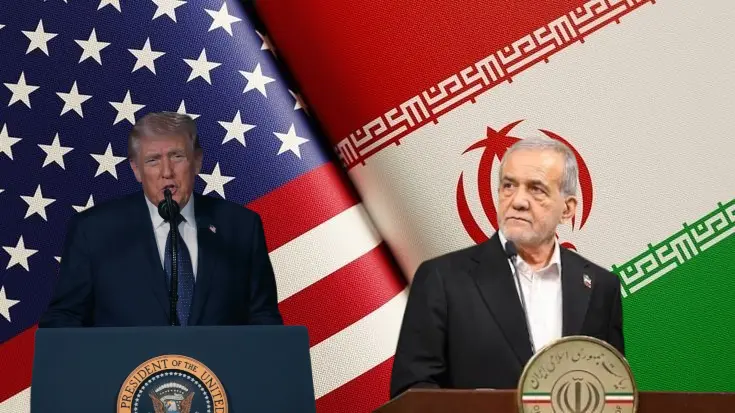










#TrumpIssuesUltimatum
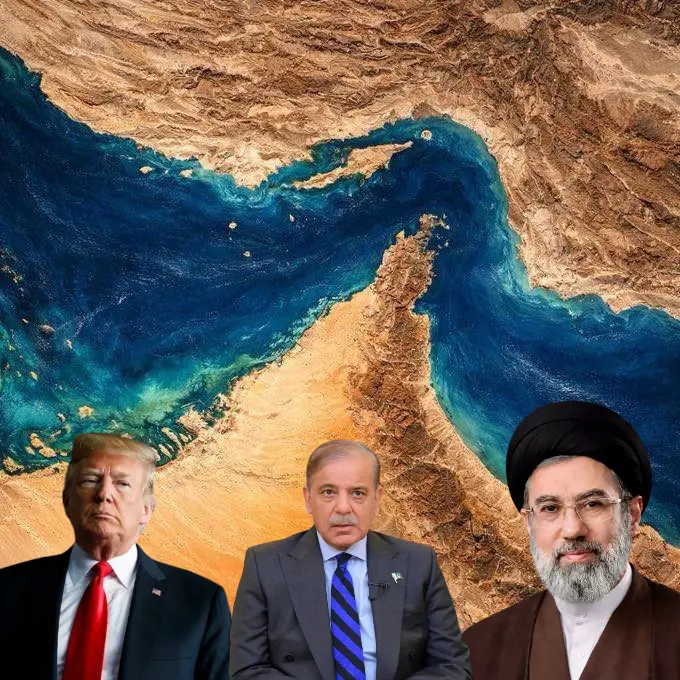
According to breaking news, a new diplomatic initiative proposed by Pakistan aims to temporarily reduce regional tensions. According to information reported by international media, particularly CNBC, the Pakistani government requested a two-week extension of the Iran-focused ceasefire set by Donald Trump. This initiative is also considered part of a broader negotiation framework aimed at restarting commercial flows across the Strait of Hormuz.
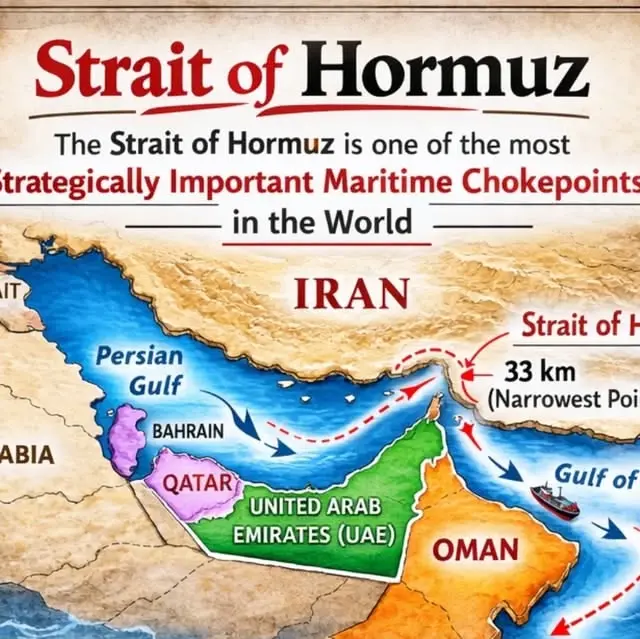
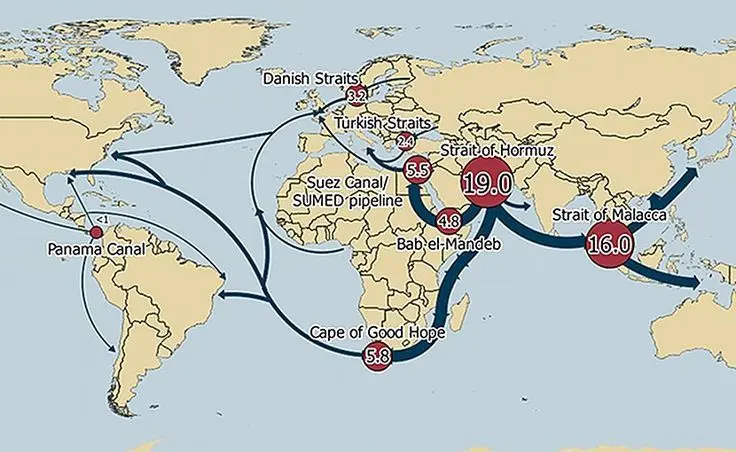
The draft plan, proposed by Pakistan and referred to in diplomatic sources as the Islamabad Accords, envisages the creation of an immediate ceasefire between the parties and the reopening of the Strait of Hormuz during this period. This waterway is considered one of the most critical transit points for global energy trade, and disruptions there directly affect oil supply and prices.
According to diplomatic sources, both Washington and Tehran are currently evaluating the proposal. Given the sensitivity of the process, the possibility of the parties agreeing on a short-term de-escalation mechanism is being closely watched in international markets. Such temporary arrangements are increasingly strategically important, particularly in terms of energy supply security and the continuity of maritime trade routes.
Analysts view Pakistan's mediation role as a critical step for regional stability, stating that acceptance of the proposal could pave the way for more comprehensive negotiations between the parties. However, the success of the process remains dependent on the parties' capacity to build mutual trust and control military tensions on the ground.
Overall, Pakistan's request for a two-week postponement is not merely a tactical attempt to buy time, but a multifaceted diplomatic move with potentially critical consequences for energy security, global trade, and geopolitical balance.
#CryptoMarketSeesVolatility
#OilPricesRise
#CreatorLeaderboard
#GateSquareAprilPostingChallenge
According to breaking news, a new diplomatic initiative proposed by Pakistan aims to temporarily reduce regional tensions. According to information reported by international media, particularly CNBC, the Pakistani government requested a two-week extension of the Iran-focused ceasefire set by Donald Trump. This initiative is also considered part of a broader negotiation framework aimed at restarting commercial flows across the Strait of Hormuz.
The draft plan, proposed by Pakistan and referred to in diplomatic sources as the Islamabad Accords, envisages the creation of an immediate ceasefire between the parties and the reopening of the Strait of Hormuz during this period. This waterway is considered one of the most critical transit points for global energy trade, and disruptions there directly affect oil supply and prices.
According to diplomatic sources, both Washington and Tehran are currently evaluating the proposal. Given the sensitivity of the process, the possibility of the parties agreeing on a short-term de-escalation mechanism is being closely watched in international markets. Such temporary arrangements are increasingly strategically important, particularly in terms of energy supply security and the continuity of maritime trade routes.
Analysts view Pakistan's mediation role as a critical step for regional stability, stating that acceptance of the proposal could pave the way for more comprehensive negotiations between the parties. However, the success of the process remains dependent on the parties' capacity to build mutual trust and control military tensions on the ground.
Overall, Pakistan's request for a two-week postponement is not merely a tactical attempt to buy time, but a multifaceted diplomatic move with potentially critical consequences for energy security, global trade, and geopolitical balance.
#CryptoMarketSeesVolatility
#OilPricesRise
#CreatorLeaderboard
#GateSquareAprilPostingChallenge