
#JapanTokenizesGovernmentBonds
Japan’s growing focus on tokenizing government bonds is becoming one of the most important developments in the global digital finance sector during 2026. The movement is attracting major attention across cryptocurrency markets, traditional finance institutions, blockchain infrastructure companies, and global regulators because it signals how governments and financial systems are gradually integrating blockchain technology into real-world financial operations. Unlike earlier crypto cycles that focused heavily on speculative digital assets, the tokenization of government bonds represents a structural transformation of financial infrastructure itself. This trend is important because it shows how blockchain is moving beyond speculation and increasingly entering the core architecture of traditional capital markets.
Government bonds are among the most important financial instruments in the global economy. They are used for sovereign financing, liquidity management, institutional portfolios, banking reserves, pension allocations, and monetary operations. Japan’s exploration of tokenized government bonds therefore carries massive significance because the Japanese bond market is one of the largest sovereign debt markets in the world. Bringing these assets onto blockchain-based infrastructure could fundamentally reshape settlement systems, trading efficiency, transparency mechanisms, and liquidity management processes across global finance.
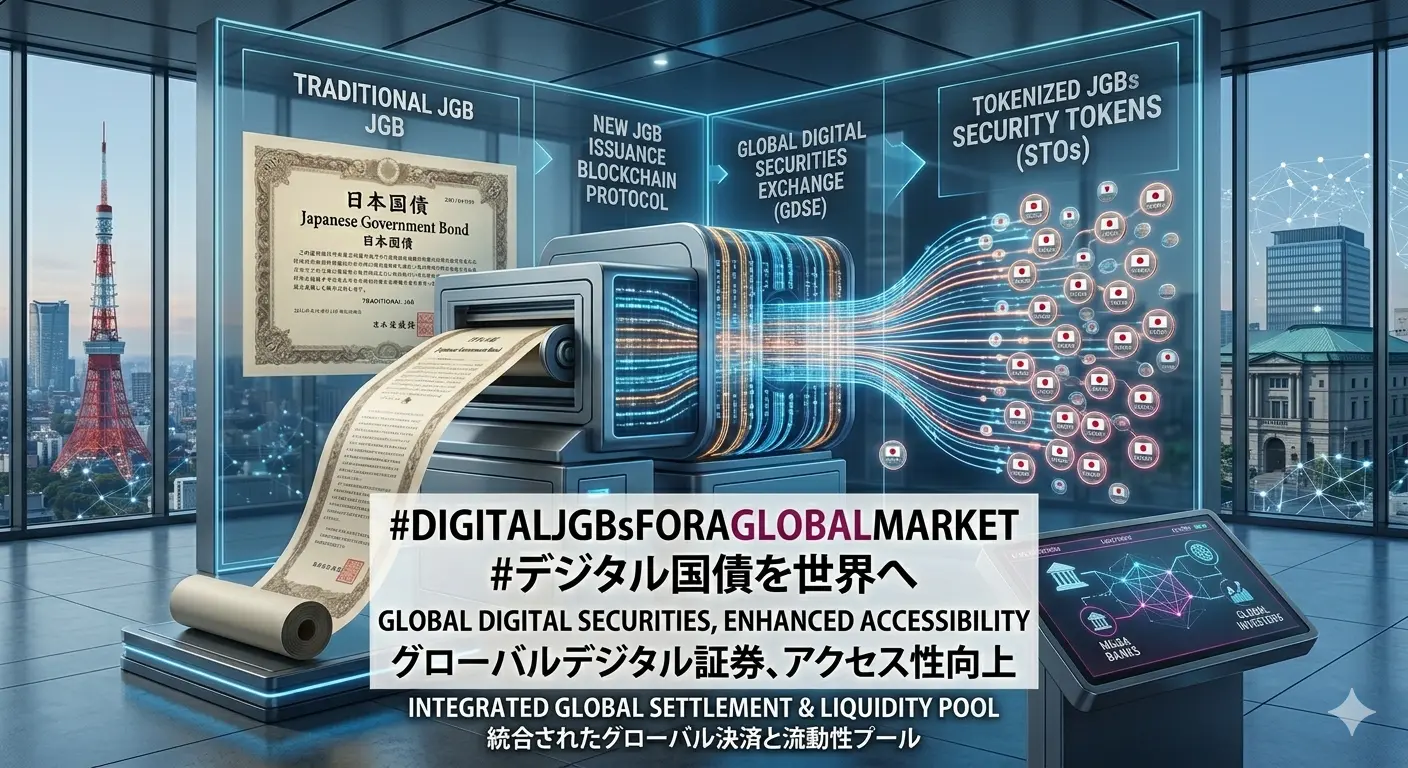
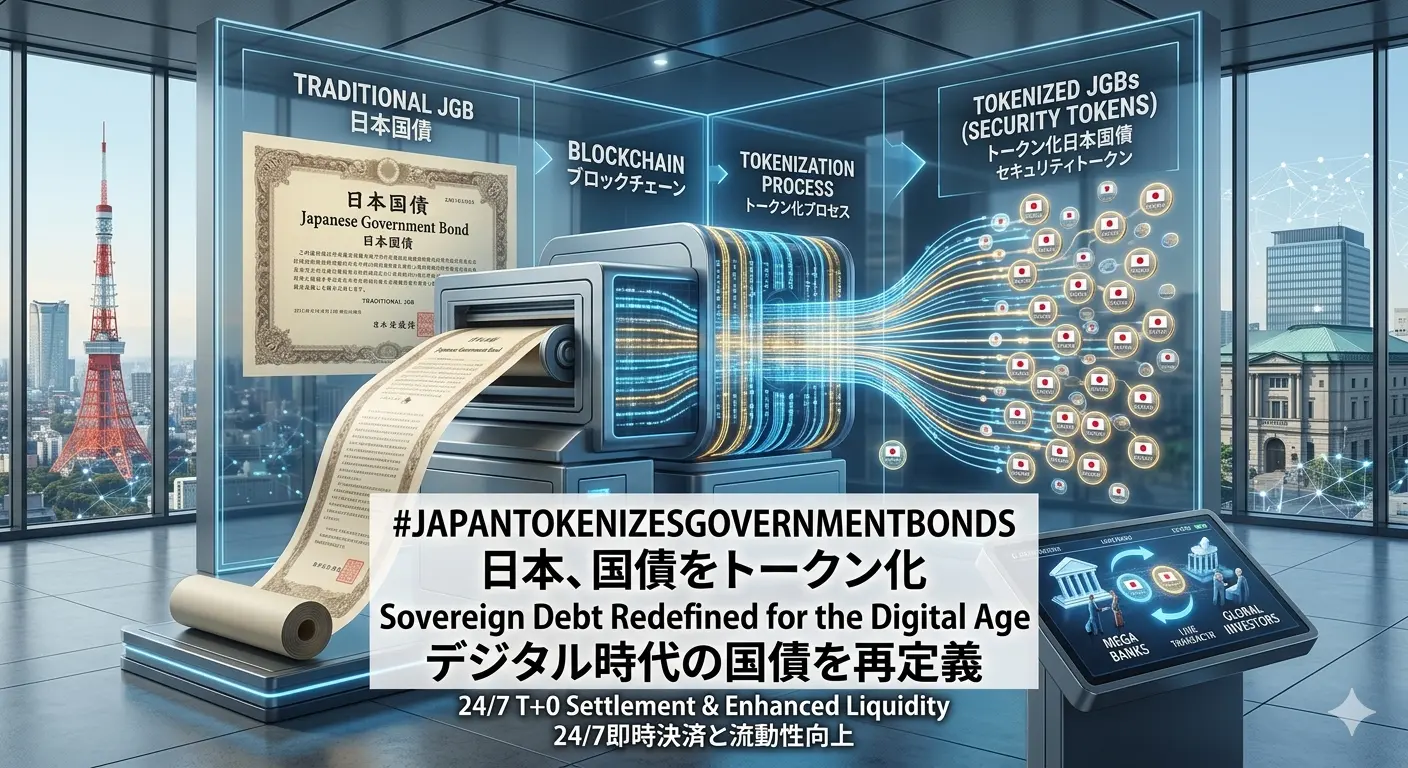
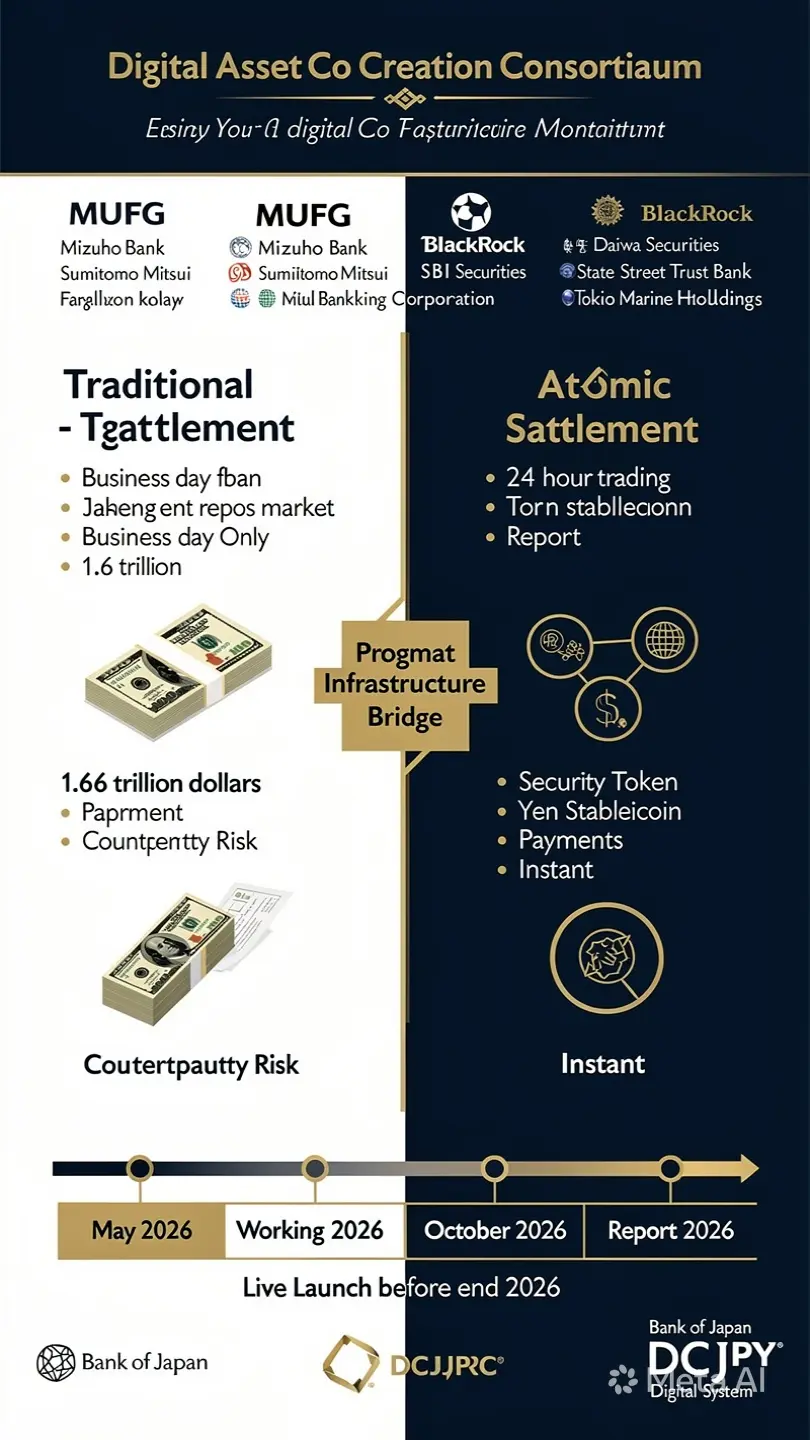
The concept of tokenized government bonds works by representing traditional sovereign debt instruments as blockchain-based digital tokens. Instead of relying entirely on legacy settlement systems, tokenized bonds can be issued, transferred, traded, and settled using distributed ledger technology. This process creates several potential advantages including faster settlement times, reduced operational friction, improved transparency, programmable compliance systems, enhanced accessibility, and more efficient liquidity distribution. Traditional bond settlement often requires multiple intermediaries and delayed clearing systems, while blockchain infrastructure can potentially reduce settlement periods dramatically.
Japan’s interest in this area reflects a broader global movement toward Real World Asset tokenization, often referred to as the RWA sector within crypto markets. RWAs have become one of the strongest narratives of 2026 because financial institutions increasingly recognize that blockchain technology can improve efficiency across traditional markets. Tokenization is no longer being viewed only as a crypto-native experiment. Instead, it is gradually becoming part of institutional financial modernization strategies. Governments, banks, investment firms, and technology providers are now exploring how blockchain systems can integrate with existing financial structures rather than replace them entirely.
One of the key reasons Japan’s bond tokenization initiative is receiving attention is because Japan has historically maintained a cautious but innovation-friendly approach toward digital assets and blockchain infrastructure. Japanese regulators have often focused on balancing technological innovation with financial stability and consumer protection. This balanced approach has helped create a relatively mature environment for institutional blockchain experimentation compared to some regions that remain highly restrictive or uncertain regarding digital asset frameworks.
The implications for crypto markets are extremely important. Tokenized government bonds strengthen the broader narrative that blockchain infrastructure is evolving into a legitimate financial settlement layer for institutional markets. This development supports long-term bullish sentiment for blockchain ecosystems connected to tokenization infrastructure, decentralized settlement networks, digital identity systems, institutional custody, and regulated financial protocols. Investors are increasingly paying attention to projects that can support institutional-grade tokenization because these sectors may become major growth areas during the next phase of blockchain adoption.
Stablecoins are also deeply connected to the rise of tokenized government bonds. Many stablecoin issuers already hold significant amounts of short-duration government securities as reserve assets. As sovereign bonds become tokenized, integration between stablecoin ecosystems and tokenized treasury markets could accelerate significantly. This could improve settlement efficiency, collateral mobility, and liquidity operations across decentralized finance and institutional trading systems. The relationship between tokenized bonds and stablecoin infrastructure may eventually become one of the foundational pillars of digital financial markets.
Another important aspect is the impact on global settlement systems. Traditional cross-border financial infrastructure often remains slow, expensive, and operationally fragmented. Blockchain-based tokenized bonds may help improve interoperability between markets by enabling faster transfers, automated compliance systems, and programmable asset management functions. If Japan successfully expands tokenized bond infrastructure, it could encourage other governments and central financial institutions to accelerate their own blockchain integration strategies.
The banking sector is carefully monitoring these developments as well. Large financial institutions understand that tokenization may eventually transform how securities are issued, traded, collateralized, and settled. Banks are increasingly investing in blockchain infrastructure partnerships because they recognize that digital settlement systems could become highly competitive over the next decade. Rather than ignoring blockchain technology, many institutions are now attempting to integrate themselves into its evolution. Japan’s participation therefore adds credibility to the broader institutional adoption narrative.
The rise of tokenized bonds also has implications for decentralized finance. DeFi platforms have traditionally relied heavily on crypto-native collateral such as Bitcoin, Ethereum, and stablecoins. However, tokenized sovereign debt introduces the possibility of integrating low-risk real-world yield-bearing assets into decentralized ecosystems. This could help create more stable lending markets, diversified collateral systems, institutional-grade liquidity pools, and lower-risk yield opportunities within blockchain finance. Many analysts believe the future of DeFi will increasingly depend on integrating real-world financial assets into decentralized infrastructure.
Technology providers supporting tokenization infrastructure are likely to benefit significantly from these developments. Blockchain networks focusing on security, scalability, regulatory compliance, interoperability, and institutional-grade transaction systems are becoming increasingly attractive to financial institutions. Competition is growing among Layer-1 ecosystems, enterprise blockchain providers, and tokenization platforms seeking to position themselves as foundational infrastructure for the next generation of digital finance.
Market sentiment surrounding tokenization has strengthened considerably because investors increasingly view it as one of the few blockchain sectors with massive real-world economic potential. Unlike purely speculative narratives, tokenized government bonds connect directly to trillion-dollar sovereign debt markets. This scale creates enormous long-term opportunity if adoption continues expanding. While the transition toward tokenized finance will likely occur gradually over many years, early institutional involvement is already reshaping investor expectations regarding blockchain’s long-term role in global markets.
Regulatory clarity remains a major factor influencing adoption speed. Governments and financial regulators must establish legal frameworks addressing digital securities issuance, custody standards, settlement protocols, investor protections, and cross-border compliance mechanisms. Japan’s cautious but progressive approach may help provide a model for how regulated tokenized finance can evolve without destabilizing traditional financial systems.
Looking ahead, Japan’s tokenization efforts may represent an early stage of a much larger global transformation in financial infrastructure. If sovereign bonds, treasury products, equities, commodities, and other financial instruments continue migrating onto blockchain-based systems, the distinction between traditional finance and digital finance may gradually disappear. Blockchain would then function not simply as a speculative technology sector, but as core infrastructure supporting global capital markets.
The significance of #JapanTokenizesGovernmentBonds therefore extends far beyond crypto headlines alone. It represents a growing convergence between traditional financial institutions, sovereign markets, blockchain technology, and digital asset infrastructure. This convergence is shaping the next phase of financial evolution where efficiency, transparency, programmability, and institutional integration become increasingly important. As adoption accelerates, tokenization may become one of the defining financial transformations of the coming decade.
Japan’s growing focus on tokenizing government bonds is becoming one of the most important developments in the global digital finance sector during 2026. The movement is attracting major attention across cryptocurrency markets, traditional finance institutions, blockchain infrastructure companies, and global regulators because it signals how governments and financial systems are gradually integrating blockchain technology into real-world financial operations. Unlike earlier crypto cycles that focused heavily on speculative digital assets, the tokenization of government bonds represents a structural transformation of financial infrastructure itself. This trend is important because it shows how blockchain is moving beyond speculation and increasingly entering the core architecture of traditional capital markets.
Government bonds are among the most important financial instruments in the global economy. They are used for sovereign financing, liquidity management, institutional portfolios, banking reserves, pension allocations, and monetary operations. Japan’s exploration of tokenized government bonds therefore carries massive significance because the Japanese bond market is one of the largest sovereign debt markets in the world. Bringing these assets onto blockchain-based infrastructure could fundamentally reshape settlement systems, trading efficiency, transparency mechanisms, and liquidity management processes across global finance.
The concept of tokenized government bonds works by representing traditional sovereign debt instruments as blockchain-based digital tokens. Instead of relying entirely on legacy settlement systems, tokenized bonds can be issued, transferred, traded, and settled using distributed ledger technology. This process creates several potential advantages including faster settlement times, reduced operational friction, improved transparency, programmable compliance systems, enhanced accessibility, and more efficient liquidity distribution. Traditional bond settlement often requires multiple intermediaries and delayed clearing systems, while blockchain infrastructure can potentially reduce settlement periods dramatically.
Japan’s interest in this area reflects a broader global movement toward Real World Asset tokenization, often referred to as the RWA sector within crypto markets. RWAs have become one of the strongest narratives of 2026 because financial institutions increasingly recognize that blockchain technology can improve efficiency across traditional markets. Tokenization is no longer being viewed only as a crypto-native experiment. Instead, it is gradually becoming part of institutional financial modernization strategies. Governments, banks, investment firms, and technology providers are now exploring how blockchain systems can integrate with existing financial structures rather than replace them entirely.
One of the key reasons Japan’s bond tokenization initiative is receiving attention is because Japan has historically maintained a cautious but innovation-friendly approach toward digital assets and blockchain infrastructure. Japanese regulators have often focused on balancing technological innovation with financial stability and consumer protection. This balanced approach has helped create a relatively mature environment for institutional blockchain experimentation compared to some regions that remain highly restrictive or uncertain regarding digital asset frameworks.
The implications for crypto markets are extremely important. Tokenized government bonds strengthen the broader narrative that blockchain infrastructure is evolving into a legitimate financial settlement layer for institutional markets. This development supports long-term bullish sentiment for blockchain ecosystems connected to tokenization infrastructure, decentralized settlement networks, digital identity systems, institutional custody, and regulated financial protocols. Investors are increasingly paying attention to projects that can support institutional-grade tokenization because these sectors may become major growth areas during the next phase of blockchain adoption.
Stablecoins are also deeply connected to the rise of tokenized government bonds. Many stablecoin issuers already hold significant amounts of short-duration government securities as reserve assets. As sovereign bonds become tokenized, integration between stablecoin ecosystems and tokenized treasury markets could accelerate significantly. This could improve settlement efficiency, collateral mobility, and liquidity operations across decentralized finance and institutional trading systems. The relationship between tokenized bonds and stablecoin infrastructure may eventually become one of the foundational pillars of digital financial markets.
Another important aspect is the impact on global settlement systems. Traditional cross-border financial infrastructure often remains slow, expensive, and operationally fragmented. Blockchain-based tokenized bonds may help improve interoperability between markets by enabling faster transfers, automated compliance systems, and programmable asset management functions. If Japan successfully expands tokenized bond infrastructure, it could encourage other governments and central financial institutions to accelerate their own blockchain integration strategies.
The banking sector is carefully monitoring these developments as well. Large financial institutions understand that tokenization may eventually transform how securities are issued, traded, collateralized, and settled. Banks are increasingly investing in blockchain infrastructure partnerships because they recognize that digital settlement systems could become highly competitive over the next decade. Rather than ignoring blockchain technology, many institutions are now attempting to integrate themselves into its evolution. Japan’s participation therefore adds credibility to the broader institutional adoption narrative.
The rise of tokenized bonds also has implications for decentralized finance. DeFi platforms have traditionally relied heavily on crypto-native collateral such as Bitcoin, Ethereum, and stablecoins. However, tokenized sovereign debt introduces the possibility of integrating low-risk real-world yield-bearing assets into decentralized ecosystems. This could help create more stable lending markets, diversified collateral systems, institutional-grade liquidity pools, and lower-risk yield opportunities within blockchain finance. Many analysts believe the future of DeFi will increasingly depend on integrating real-world financial assets into decentralized infrastructure.
Technology providers supporting tokenization infrastructure are likely to benefit significantly from these developments. Blockchain networks focusing on security, scalability, regulatory compliance, interoperability, and institutional-grade transaction systems are becoming increasingly attractive to financial institutions. Competition is growing among Layer-1 ecosystems, enterprise blockchain providers, and tokenization platforms seeking to position themselves as foundational infrastructure for the next generation of digital finance.
Market sentiment surrounding tokenization has strengthened considerably because investors increasingly view it as one of the few blockchain sectors with massive real-world economic potential. Unlike purely speculative narratives, tokenized government bonds connect directly to trillion-dollar sovereign debt markets. This scale creates enormous long-term opportunity if adoption continues expanding. While the transition toward tokenized finance will likely occur gradually over many years, early institutional involvement is already reshaping investor expectations regarding blockchain’s long-term role in global markets.
Regulatory clarity remains a major factor influencing adoption speed. Governments and financial regulators must establish legal frameworks addressing digital securities issuance, custody standards, settlement protocols, investor protections, and cross-border compliance mechanisms. Japan’s cautious but progressive approach may help provide a model for how regulated tokenized finance can evolve without destabilizing traditional financial systems.
Looking ahead, Japan’s tokenization efforts may represent an early stage of a much larger global transformation in financial infrastructure. If sovereign bonds, treasury products, equities, commodities, and other financial instruments continue migrating onto blockchain-based systems, the distinction between traditional finance and digital finance may gradually disappear. Blockchain would then function not simply as a speculative technology sector, but as core infrastructure supporting global capital markets.
The significance of #JapanTokenizesGovernmentBonds therefore extends far beyond crypto headlines alone. It represents a growing convergence between traditional financial institutions, sovereign markets, blockchain technology, and digital asset infrastructure. This convergence is shaping the next phase of financial evolution where efficiency, transparency, programmability, and institutional integration become increasingly important. As adoption accelerates, tokenization may become one of the defining financial transformations of the coming decade.