

Trade
Basic
Futures
Futures
Hundreds of contracts settled in USDT or BTC
TradFi
Gold
Trade global traditional assets with USDT in one place
Options
Hot
Trade European-style vanilla options
Unified Account
Maximize your capital efficiency
Demo Trading
Futures Kickoff
Get prepared for your futures trading
Futures Events
Participate in events to win generous rewards
Demo Trading
Use virtual funds to experience risk-free trading
Earn
Launch
CandyDrop
Collect candies to earn airdrops
Launchpool
Quick staking, earn potential new tokens
HODLer Airdrop
Hold GT and get massive airdrops for free
Launchpad
Be early to the next big token project
Alpha Points
Trade on-chain assets and enjoy airdrop rewards!
Futures Points
Earn futures points and claim airdrop rewards
Investment
Simple Earn
Earn interests with idle tokens
Auto-Invest
Auto-invest on a regular basis
Dual Investment
Buy low and sell high to take profits from price fluctuations
Soft Staking
Earn rewards with flexible staking
Crypto Loan
0 Fees
Pledge one crypto to borrow another
Lending Center
One-stop lending hub
VIP Wealth Hub
Customized wealth management empowers your assets growth
Private Wealth Management
Customized asset management to grow your digital assets
Quant Fund
Top asset management team helps you profit without hassle
Staking
Stake cryptos to earn in PoS products
Smart Leverage
New
No forced liquidation before maturity, worry-free leveraged gains
GUSD Minting
Use USDT/USDC to mint GUSD for treasury-level yields

More


Trending Topics
View More78.16K Popularity
5.59K Popularity
1.66K Popularity
2.46K Popularity
6.92K Popularity




Pin
Gate Square | 2/5 Today's Hot Topic: #BuyTheDipOrWaitNow?
🎁 [Community Perk] Post with the topic or #BTC, 10 lucky users * $100 position Voucher.
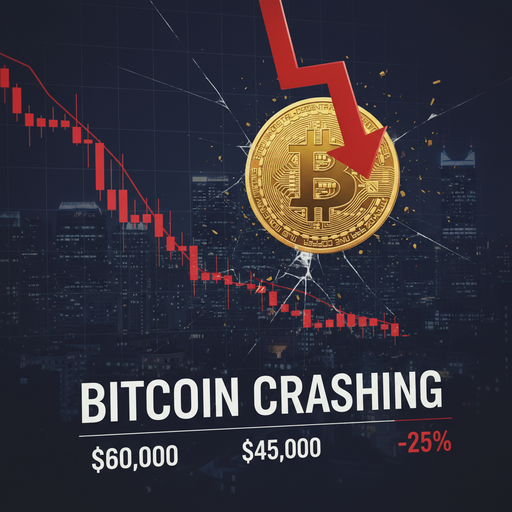
Market volatility continues as BTC breaks below the $74,000 key support level, with altcoins pulling back in sync. Are you buying the dip in batches or waiting for a better entry point?
💬 Today’s Discussion:
1️⃣ Bottom Signals: Where do you see BTC’s bottom — $70,000 or lower?
2️⃣ Market Drivers: Which recent macroeconomic news or rumors are influencing the market?
3️⃣ Dark Horses: Are there any resilient or outperforming tokens worth watching?
ShTap to Trade in Gate Square, Win up to 50 GT & Merch!
Click the trading widget in Gate Square content, complete a transaction, and take home 50 GT, Position Experience Vouchers, or exclusive Spring Festival merchandise.
Click the registration link to join
https://www.gate.com/questionnaire/7401
Enter Gate Square daily and click any trading pair or trading card within the content to complete a transaction. The top 10 users by trading volume will win GT, Gate merchandise boxes, position experience vouchers, and more.
The top prize: 50 GT.
 yields rising to levels not seen since issuance, with the 40-year yield breaking above ~4.2% and long rates jumping more than 25 basis points in a short span.
This is notable because Japan has long been the poster child of ultra-low rates due to decades of deflationary pressures and aggressive central bank support — a backdrop that made Japanese bonds among the most stable globally.
📌 Drivers Behind the Sell-Off
🔹 Fiscal Expansion & Political Dynamics
Japan’s Prime Minister Sanae Takaichi has proposed a large fiscal stimulus (including significant tax cuts and increased spending ahead of elections), injecting fresh concerns over debt sustainability in a country with debt levels above 250% of GDP.
Investors responded by demanding higher yields, pricing in the risk of larger bond issuance and weaker demand — particularly in the long end of the curve.
🔹 Changing Central Bank Stance
After years of ultra-loose policy, the Bank of Japan (BoJ) has signaled readiness to normalize policy, including raising rates and reducing bond purchases — loosening its historic support for the JGB market.
This shift removes a long-standing “buyer of last resort,” leaving bonds more exposed to market forces.
🔹 Deteriorating Demand and Auction Weakness
Recent long-term JGB auctions have shown weak demand, forcing yields higher as institutional and domestic buyers retreat — heightening volatility and repricing risk across maturities.
🌍 Global Market Implications
📈 1) Broader Rise in Global Yields
Japan’s long bond sell-off has already rippled into other sovereign markets. U.S. and German bond yields reacted by moving higher, reflecting a reassessment of global funding costs and risk premia.
Higher yields in major markets reduce liquidity, tighten financial conditions, and can compress valuations for equities and other risk assets.
💱 2) Carry Trade Disruption
For years, the yen carry trade — borrowing cheaply in yen to invest in higher-yielding assets abroad — has been a structural pillar of global finance. Steeper Japanese yields weaken this trade’s economics and may trigger forced unwinds, pressuring risk assets from equities to commodities to crypto.
📊 3) Risk Assets Under Pressure
As yields rise and liquidity conditions tighten, capital tends to rotate away from risk assets like stocks and crypto back into cash and safer fixed income — especially if the yield normalization persists. Some analysts are already noting wider risk sell-offs overseas tied to the JGB moves.
🏦 4) Emerging Markets & FX Impacts
Higher Japanese yields and the weakening carry trade can also tighten capital flows into emerging markets, influence currency dynamics, and increase borrowing costs — magnifying vulnerabilities in stressed economies.
🧠 Structural Considerations
Some analysts caution that while the sell-off is significant, it may partly reflect positioning and technical flows rather than a full systemic crisis — and Japan still maintains a deep domestic investor base that can cushion volatility.
However, the qualitative change — Japan turning from a global low-rate anchor into a market where long rates can materially rise — is itself a structural shift with far-reaching implications.
📌 Key Takeaways
🔹 Japan’s bond market isn’t an isolated story anymore — long yields have risen sharply, driven by fiscal policy, weak demand, and the BoJ’s tightening trajectory.
🔹 These moves are feeding through into global rates, lifting yields elsewhere and tightening financial conditions.
🔹 The disruption of the yen carry trade and repricing of duration risk can pressure risk assets, including equities and crypto.
🔹 Investors should watch global yield curves, FX flows, and central bank responses for clues about the next phase of this cross-border adjustment.
💬 Discussion Prompt:
Do you see this as a structural repricing of global rates — or a temporary anomaly tied to Japan’s local politics and fiscal policy? Share your view 👇