


Futures
Access hundreds of perpetual contracts
TradFi
Gold
One platform for global traditional assets
Options
Hot
Trade European-style vanilla options
Unified Account
Maximize your capital efficiency
Demo Trading
Introduction to Futures Trading
Learn the basics of futures trading
Futures Events
Join events to earn rewards
Demo Trading
Use virtual funds to practice risk-free trading
Launch
CandyDrop
Collect candies to earn airdrops
Launchpool
Quick staking, earn potential new tokens
HODLer Airdrop
Hold GT and get massive airdrops for free
Launchpad
Be early to the next big token project
Alpha Points
Trade on-chain assets and earn airdrops
Futures Points
Earn futures points and claim airdrop rewards


More




The #USIranClashOverCeasefireTalks hashtag underscores the complex interplay between diplomatic efforts and ongoing military activities in the Middle East as of late March 2026. Nearly one month into the conflict, differences between the United States and Iran over the terms of a potential ceasefire continue to shape both indirect negotiations and developments on the ground.
In mid-March 2026, the U S administration transmitted a comprehensive 15-point ceasefire proposal to Iran through Pakistani intermediaries. The plan reportedly includes elements such as sanctions relief in exchange for a rollback of Iran’s nuclear program, limitations on ballistic missile capabilities, and the full reopening of the Strait of Hormuz to international shipping. Iranian officials described the proposal as one-sided and overly demanding. In response, Iran outlined its own five-point counter-proposal, which emphasizes compensation for war damages, an end to targeted actions against Iranian officials, guarantees against future attacks, and international recognition of its sovereignty over the Strait of Hormuz. Iran’s Foreign Minister Abbas Araqchi noted that message exchanges via mediators are continuing, though he clarified that these do not constitute formal negotiations or direct dialogue.
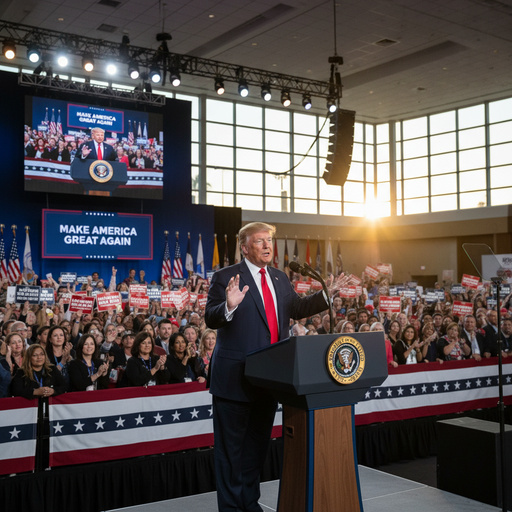
U S President Donald Trump has maintained an optimistic tone regarding the process. In statements on March 26-27, 2026, he indicated that discussions are “going very well” and that Iran has shown interest in reaching an agreement. Trump announced an extension of the pause on potential strikes against Iranian energy infrastructure by an additional 10 days, setting a new deadline of April 6, 2026, at 8:00 PM Eastern Time. This extension was presented as a response to a request from Iranian authorities, aimed at providing further space for diplomatic progress. White House officials echoed this view, describing the exchanges as productive and noting the President’s openness to constructive engagement.
At the heart of the disagreement lies the strategic Strait of Hormuz, through which approximately one-fifth of global oil trade typically passes. Restrictions and heightened control measures in the waterway have raised concerns about energy supply security, contributing to volatility in oil prices and broader impacts on international trade flows. The US proposal centers on unrestricted access for commercial shipping, while Iran has asserted its sovereign rights and, according to some reports from its military forces, maintained a firm stance on passage conditions. Conflicting narratives have emerged, with claims of limited tanker movements as goodwill gestures contrasted by statements emphasizing continued control over the strait.
Military actions have persisted alongside these diplomatic maneuvers. Iran has conducted missile and drone operations targeting Israeli and Gulf Arab interests, including reported strikes on infrastructure such as fuel facilities. In response, Israeli operations continue, and reports indicate US preparations for additional military deployments to the region. These parallel developments highlight the delicate balance between managing escalation risks and pursuing de-escalation through dialogue.
The economic implications are significant. Regional uncertainties have pushed energy costs higher, influenced inflation expectations, and affected global supply chains. While the extension of the pause has offered a temporary reduction in immediate escalation fears—providing some market relief—the approaching April 6 deadline keeps underlying tensions in focus. Analysts observe that indirect channels facilitated by mediators such as Pakistan create opportunities for progress, yet the maximalist positions adopted by both sides suggest that a comprehensive resolution remains challenging in the near term.
This phase of international relations reflects intricate power dynamics. The United States continues coordination with regional partners while exploring independent avenues for communication. Iran, for its part, has defended its core demands with determination. Some observers suggest the conflict could extend over weeks or months, while others stress the value of keeping diplomatic avenues open for long-term regional stability. International organizations have also voiced concerns about the potential for wider escalation.
In summary, the developments captured under the #USIranClashOverCeasefireTalks theme illustrate the boundaries and difficulties of diplomacy amid active geopolitical tensions. The divergence between the US 15-point framework and Iran’s counter-proposal points to a current impasse in ceasefire discussions; nevertheless, the 10-day extension announced by President Trump preserves a window for continued engagement. Key factors—future status of the Strait of Hormuz, nuclear and missile issues, and broader regional security will likely determine the direction of events. Upcoming diplomatic contacts, military updates, and economic indicators in the coming days will be closely watched by global stakeholders.
As with any evolving international situation, a long-term perspective, balanced risk assessment, and reliance on factual developments provide the most prudent framework for analysis. Markets and international actors are expected to respond to this dynamic process with caution and attention to emerging information. A sustainable outcome would ultimately depend on finding mutually acceptable terms that address the core concerns of all involved parties.l
$BTC $ETH $SOL