


Futures
Access hundreds of perpetual contracts
TradFi
Gold
One platform for global traditional assets
Options
Hot
Trade European-style vanilla options
Unified Account
Maximize your capital efficiency
Demo Trading
Introduction to Futures Trading
Learn the basics of futures trading
Futures Events
Join events to earn rewards
Demo Trading
Use virtual funds to practice risk-free trading
Launch
CandyDrop
Collect candies to earn airdrops
Launchpool
Quick staking, earn potential new tokens
HODLer Airdrop
Hold GT and get massive airdrops for free
Launchpad
Be early to the next big token project
Alpha Points
Trade on-chain assets and earn airdrops
Futures Points
Earn futures points and claim airdrop rewards


More

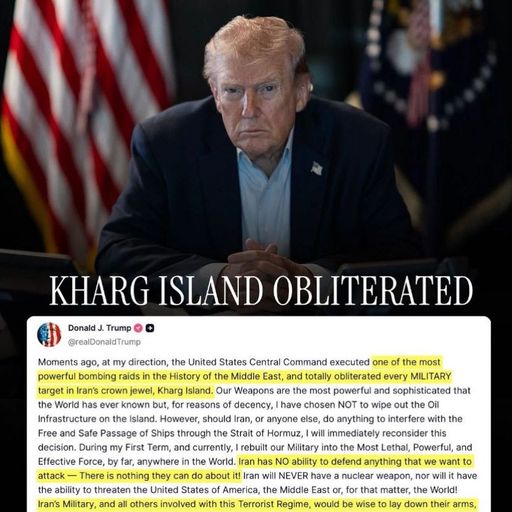




#USPlansMultinationalEscortForHormuz
Global Alarm Over the Strait of Hormuz
The strategic waters of the Strait of Hormuz remain one of the most critical shipping routes in the world, carrying around 20 % of global oil supply every day. Rising military confrontation involving the United States and the Iran has pushed international attention back to this narrow but geopolitically vital sea corridor. The #USPlansMultinationalEscortForHormuz has emerged as global media and policymakers debate a proposed plan to escort commercial tankers and cargo ships through these waters using a coalition of naval forces, aiming to reduce the risk of attacks and keep global energy flows open.
Why the Strait of Hormuz Matters to the World:
Historically, the Strait of Hormuz has stood at the center of Middle Eastern geopolitics because of its critical role in global energy supplies. Major exporters like Saudi Arabia, Iraq, and United Arab Emirates rely on this narrow channel to send crude oil and liquified gas to markets in Asia, Europe, and beyond. Even short-lived disruptions here can cause sharp spikes in global oil prices, inflationary pressure on commodity markets, and economic uncertainty for energy-dependent economies worldwide.
Iran’s Current Stance and What It Means:
Iran has reacted strongly against the idea of foreign military forces escorting ships in and around the Strait of Hormuz. Tehran has stressed two main points:
Defiance Against Foreign Military Presence: Iranian officials have rejected negotiations and ceasefire proposals, saying that Iran remains strong and will defend its interests in the region. They view any foreign naval force in the strait as a threat and have vowed to resist or retaliate if provoked.
Control Over Passage: Iran’s foreign ministry emphasizes that ships must coordinate with Iran’s navy to legally pass through the strait, reinforcing Tehran’s claim over routing decisions in waters it considers strategic.
Iran has also indicated that while the strait isn’t closed to all shipping, it is effectively restricted to vessels from countries Tehran sees as hostile namely the United States and Israel. Tehran frames the current crisis as partly driven by U.S. policy rather than Iranian aggression.
Could This Escalate the Conflict Further?
There is a real risk that the escort plan could escalate tensions if not handled carefully. Many military analysts believe that increasing foreign naval presence near Iranian territorial waters could be interpreted by Tehran as an expansion of the military confrontation, raising chances of miscalculation or unintended clashes between warships. Historical patterns show that in past disputes, even routine naval maneuvers in Hormuz have risked provocation and confrontation.
However, the current environment shows a mix of military and diplomatic pressures. Some countries are reluctant to send warships due to legal, political, or strategic reasons like Japan and Australia which could lower the immediate chance of a broad multinational military escalation.
Is There a Path to De‑escalation or Solution?
While military plans dominate headlines, there are also diplomatic efforts aimed at reducing tensions. For example, India has engaged directly with Iran to secure safe passage for its own vessels, highlighting a potential soft path forward that relies on negotiation rather than confrontation.
A broader diplomatic solution would require negotiations between Tehran and Western powers, possibly involving regional stakeholders and third‑party mediation. Some experts believe that sustainable security in the strait ultimately depends more on diplomatic channels, confidence‑building measures, and international cooperation than on military escorts alone.
What This Means for the Future:
The situation remains fluid. If tensions continue to escalate without meaningful diplomatic engagement, the risk of a wider conflict could rise, leading to disruptions in global oil markets and greater regional instability. Conversely, structured negotiations involving Iran and other affected powers could pave the way for a reduction in hostilities, secure maritime traffic, and lower energy price volatility.
In either case, the unfolding events around #USPlansMultinationalEscortForHormuz are more than a military strategy they are a reflection of how closely global transportation, energy security, and geopolitical power struggles are intertwined in one of the world’s most strategic maritime passages.