


Futures
Hundreds of contracts settled in USDT or BTC
TradFi
Gold
Trade global traditional assets with USDT in one place
Options
Hot
Trade European-style vanilla options
Unified Account
Maximize your capital efficiency
Demo Trading
Futures Kickoff
Get prepared for your futures trading
Futures Events
Participate in events to win generous rewards
Demo Trading
Use virtual funds to experience risk-free trading
Launch
CandyDrop
Collect candies to earn airdrops
Launchpool
Quick staking, earn potential new tokens
HODLer Airdrop
Hold GT and get massive airdrops for free
Launchpad
Be early to the next big token project
Alpha Points
Trade on-chain assets and enjoy airdrop rewards!
Futures Points
Earn futures points and claim airdrop rewards
Investment
Simple Earn
Earn interests with idle tokens
Auto-Invest
Auto-invest on a regular basis
Dual Investment
Buy low and sell high to take profits from price fluctuations
Soft Staking
Earn rewards with flexible staking
Crypto Loan
0 Fees
Pledge one crypto to borrow another
Lending Center
One-stop lending hub
VIP Wealth Hub
Customized wealth management empowers your assets growth
Private Wealth Management
Customized asset management to grow your digital assets
Quant Fund
Top asset management team helps you profit without hassle
Staking
Stake cryptos to earn in PoS products
Smart Leverage
New
No forced liquidation before maturity, worry-free leveraged gains
GUSD Minting
Use USDT/USDC to mint GUSD for treasury-level yields



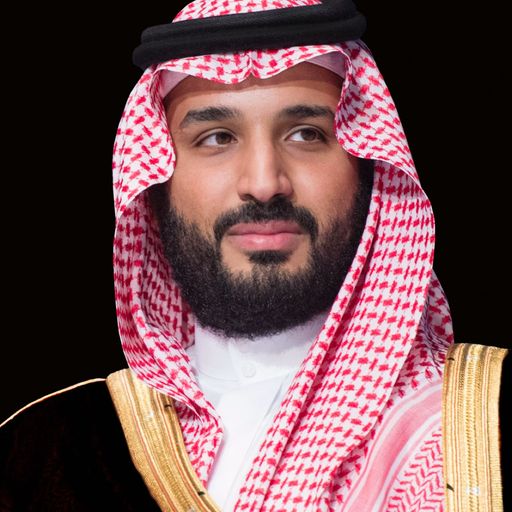



#TrumpMeetsMerz
Donald Trump Meets Friedrich Merz: Strategic Signals for Transatlantic Politics, Trade, and Security
The recent meeting between former U.S. President Donald Trump and German conservative leader Friedrich Merz has generated significant international attention, reflecting the evolving political landscape on both sides of the Atlantic. While no formal agreements were announced, the symbolism and timing of the engagement carry weight, particularly as the United States and Germany approach pivotal political cycles. The discussion represents more than a diplomatic courtesy call — it highlights potential shifts in transatlantic strategy, economic cooperation, and security coordination.
Political Context and Leadership Positioning
Donald Trump remains a central figure in American politics, with continued influence over conservative policy direction and electoral strategy. Friedrich Merz, as leader of Germany’s Christian Democratic Union (CDU), is positioning himself as a leading contender for national leadership in future federal elections. Their meeting signals a convergence of conservative dialogue focused on economic competitiveness, national security, and institutional reform.
For Trump, international meetings reinforce his foreign policy credentials and global network. For Merz, engaging directly with a former U.S. president enhances his international visibility and underscores his intention to strengthen Germany’s role within Western alliances.
NATO and Defense Spending
Defense policy reportedly featured prominently in discussions. During his presidency, Trump frequently called for increased defense spending among NATO members, arguing for equitable burden-sharing within the alliance. Germany, historically cautious with military expenditures, has recently expanded its defense budget in response to heightened security concerns in Europe.
Merz has advocated for a stronger German defense posture while balancing fiscal discipline. The meeting may signal potential alignment on reinforcing NATO capabilities while pushing European allies toward greater strategic autonomy. Investors in defense and aerospace sectors are closely monitoring political signals that could influence future procurement and military investment plans.
Trade Relations and Industrial Policy
Trade policy remains a key pillar of U.S.–Germany relations. Germany is one of the United States’ most important European trading partners, with deep ties in automotive manufacturing, machinery exports, and advanced industrial production. Trump’s previous administration pursued tariff-driven negotiations aimed at reducing trade imbalances, while Germany has prioritized multilateral trade stability within the European framework.
The meeting may have addressed supply chain resilience, semiconductor investment, and manufacturing competitiveness — areas increasingly central to global economic strategy. As both countries confront competition from emerging economic powers, industrial policy coordination could become more prominent in transatlantic discussions.
Financial markets remain attentive to any indications of renewed tariff negotiations or policy adjustments that could affect export-heavy sectors, particularly automotive and industrial equipment manufacturers.
Energy Security and Strategic Resources
Energy policy represents another critical dimension of the dialogue. Germany has been navigating a major energy transition, reducing reliance on Russian gas while accelerating renewable energy deployment. Trump previously criticized European energy dependence and promoted U.S. liquefied natural gas (LNG) exports as an alternative.
Future collaboration in LNG supply chains, hydrogen development, and strategic mineral sourcing may emerge as focal points of cooperation. Energy security remains intertwined with geopolitical stability, particularly amid volatile global commodity markets. Any long-term agreements or alignment in this sector could influence both commodity flows and infrastructure investment patterns.
Geopolitical Stability and Global Alliances
The meeting also comes against a backdrop of ongoing global tensions, including conflicts affecting Europe and the Middle East. Transatlantic coordination remains central to sanctions enforcement, diplomatic negotiations, and collective security frameworks.
Merz has emphasized the importance of maintaining a unified Western stance, while Trump has historically advocated for recalibrating alliance commitments to prioritize national interests. How these perspectives align or diverge will influence future strategic decisions if political leadership changes in either country.
Currency markets and sovereign bond investors are sensitive to geopolitical continuity. Stability in U.S.–German cooperation generally supports confidence in broader European economic resilience.
Economic Implications for Markets
Equity markets responded cautiously to headlines surrounding the meeting, reflecting a wait-and-see approach among investors. Defense stocks may benefit from sustained spending commitments, while industrial exporters could face volatility depending on future trade policy developments.
The euro and U.S. dollar exchange rate remains influenced by broader macroeconomic drivers, but political alignment between Washington and Berlin can indirectly impact currency sentiment. Long-term investors are evaluating whether renewed conservative policy coordination could shift fiscal priorities, tax frameworks, or regulatory approaches in ways that affect cross-border capital flows.
Strategic Outlook
From a strategic perspective, the meeting symbolizes a potential recalibration of Western conservative dialogue. It underscores shared concerns about economic competitiveness, defense modernization, and global power shifts. However, meaningful policy transformation would depend on electoral outcomes and legislative dynamics within each country.
Both leaders appear focused on reinforcing national economic strength while maintaining alliance structures. Whether this results in closer coordination or policy divergence remains to be seen.
Conclusion
The Trump–Merz meeting represents more than a political photo opportunity; it reflects shifting currents within transatlantic leadership networks. Discussions surrounding NATO, trade, energy security, and geopolitical alignment highlight the interconnected nature of political strategy and economic stability.
As global markets navigate uncertainty, such high-level engagements provide signals about potential policy directions that could influence defense spending, industrial competitiveness, and international trade frameworks. Investors and policymakers alike will continue to monitor developments closely, recognizing that U.S.–German relations remain a cornerstone of Western economic and strategic architecture.