


Futures
Hundreds of contracts settled in USDT or BTC
TradFi
Gold
Trade global traditional assets with USDT in one place
Options
Hot
Trade European-style vanilla options
Unified Account
Maximize your capital efficiency
Demo Trading
Futures Kickoff
Get prepared for your futures trading
Futures Events
Participate in events to win generous rewards
Demo Trading
Use virtual funds to experience risk-free trading
Launch
CandyDrop
Collect candies to earn airdrops
Launchpool
Quick staking, earn potential new tokens
HODLer Airdrop
Hold GT and get massive airdrops for free
Launchpad
Be early to the next big token project
Alpha Points
Trade on-chain assets and enjoy airdrop rewards!
Futures Points
Earn futures points and claim airdrop rewards
Investment
Simple Earn
Earn interests with idle tokens
Auto-Invest
Auto-invest on a regular basis
Dual Investment
Buy low and sell high to take profits from price fluctuations
Soft Staking
Earn rewards with flexible staking
Crypto Loan
0 Fees
Pledge one crypto to borrow another
Lending Center
One-stop lending hub
VIP Wealth Hub
Customized wealth management empowers your assets growth
Private Wealth Management
Customized asset management to grow your digital assets
Quant Fund
Top asset management team helps you profit without hassle
Staking
Stake cryptos to earn in PoS products
Smart Leverage
New
No forced liquidation before maturity, worry-free leveraged gains
GUSD Minting
Use USDT/USDC to mint GUSD for treasury-level yields





Real Estate Tokenization: How the Digital Generation Is Redefining Asset Ownership
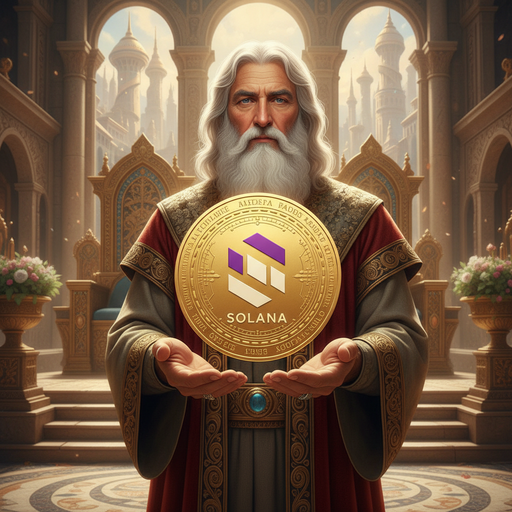
Imagine the worldview of the oldest people in the world: for them, real estate has always meant physical ownership, thick folders of documents, and years of approval through banks and lawyers. However, for the digital generation, this model seems outdated and inefficient. Today, blockchain technology is making radical changes to the very essence of how we own, transfer, and invest in real estate, creating a bridge between centuries-old property rights traditions and programmable digital economies.
For centuries, real estate has been a symbol of stability and wealth, but its ownership architecture has remained frozen in time. High barriers to entry, multi-month transactions, low liquidity, and limited access for retail investors made this market elitist and closed. Tokenized real estate solves this puzzle not by abolishing traditional property rights but by creating a digital layer that coexists with existing legal frameworks, offering unprecedented flexibility and efficiency.
From Traditional Systems to Digital Registries: The Property Rights Revolution
Tokenization involves transforming property rights into digital units recorded on the blockchain. Each token represents a share in a specific asset or a claim to its income. Instead of one investor owning the entire building, ownership is divided into hundreds or thousands of digital tokens distributed according to legal agreements.
But it’s important to understand: tokenization does not replace the legal system. It operates through special legal structures—companies or special purpose vehicles—that physically own the property, while tokens reflect shares in these legal entities. Blockchain records and facilitates transfers, but enforceability of rights remains tied to proper documentation and regulatory compliance.
How Tokenization Works: From Property Valuation to Investor Distribution
The process begins with a thorough analysis of the property: demand assessment, rental income potential, market indicators, operating costs. Then, a legal entity is established as the owner and the basis for issuing digital tokens.
Smart contracts—programmable agreements—play a key role, automatically managing all operations: transfer restrictions, income distribution, voting rights, and compliance requirements. This eliminates the need for intermediaries and reduces administrative costs.
Investors purchase tokens through a formalized process, and their ownership is registered on the blockchain. Rental payments and other distributions are automated, ensuring transparency and eliminating delays typical of traditional systems.
Why Tokenized Assets Attract a New Generation of Investors
Democratization of Access: Previously, investing in real estate required millions. Tokenization lowers the minimum threshold, allowing participation with even small capital. This broadens the investor base and involves people who were previously excluded from this market.
Liquidity Instead of Stagnation: Traditional deals take weeks or months with multiple intermediaries. Digital tokens can be transferred almost instantly once compliance conditions are met—though active buyers and sellers are still needed.
Full Transparency: Blockchain creates an immutable record of every transaction. This eliminates disputes over ownership rights and property history, providing clarity impossible in paper-based systems.
Global Reach: Digital tokens can be offered to accredited investors in different countries while complying with local regulations. This expands the capital pool and allows properties to cross national borders.
REITs vs. Digital Tokens: Fundamental Differences in Ownership Structure
Real estate investment trusts (REITs) have long provided indirect access to property through publicly traded shares. However, tokenization is fundamentally different: it provides direct fractional ownership in specific assets, not just shares of a corporate structure.
REITs are traded on regulated exchanges with centralized oversight. Tokenized assets operate within decentralized digital ecosystems with varying regulatory approaches depending on jurisdiction. The difference is not only in technology but in the very architecture of rights and settlement mechanisms—tokenization aims to modernize these systems from within.
Regulatory Framework: The Central Challenge for Global Adoption
Tokenized real estate is typically classified as a security because investors provide capital expecting profits from managing the asset. This requires compliance with offering regulations, investor eligibility standards, and disclosure requirements.
Each jurisdiction classifies digital assets differently, making legal clarity critical. Successful projects integrate regulatory compliance from the outset, ensuring enforceability of token holder rights and transparency of documentation.
From Risks to Opportunities: Balancing Innovation and Security
Tokenization does not eliminate the inherent risks of real estate. Market downturns, vacancy, operational failures, property damage—all affect returns regardless of technology.
Digital infrastructure introduces new risks: vulnerabilities of smart contracts, cyberattacks, platform insolvency. Additionally, liquidity may be overestimated in early market stages—transferability does not guarantee the presence of buyers.
Investors must evaluate both fundamental property metrics and the reliability of the digital infrastructure that secures ownership rights.
Growth Trajectory: How the Market Is Preparing for Widespread Adoption
Global forecasts indicate significant growth in the tokenization of assets over the next decade as infrastructure develops and regulatory frameworks become clearer. Financial institutions and developers are actively exploring tokenization as a tool to simplify capital raising, improve settlement efficiency, and attract new categories of investors.
This growing interest signals a shift from experimentation to strategic planning for large-scale adoption, especially in jurisdictions that support digital asset innovation within established legal boundaries.
A Borderless Future: Why Blockchain Will Transform Property Architecture
Tokenized real estate is an evolution, not a replacement, of traditional investments. Long-term viability depends on integrating legal recognition, secure technologies, transparent governance, and active secondary markets. When these components work in harmony, tokenization can significantly reduce friction in transactions, expand access, and modernize one of the oldest asset classes.
Today, while the worldview of the oldest generations about ownership is based on physical documents and trusted registries, the younger generation sees the potential of programmable, transparent, and global systems. Real estate has always been tied to material land and structures, but the way rights are tracked and transferred need not remain bound to paper archives.
Blockchain creates a digital layer that coexists with existing legal frameworks, offering greater efficiency and flexibility. The future of property ownership may not change outwardly, but behind the scenes, decentralized infrastructure is quietly transforming how capital flows into real estate markets and how investors access opportunities once thought unreachable.