

Trade
Basic
Futures
Futures
Hundreds of contracts settled in USDT or BTC
TradFi
Gold
Trade global traditional assets with USDT in one place
Options
Hot
Trade European-style vanilla options
Unified Account
Maximize your capital efficiency
Demo Trading
Futures Kickoff
Get prepared for your futures trading
Futures Events
Participate in events to win generous rewards
Demo Trading
Use virtual funds to experience risk-free trading
Earn
Launch
CandyDrop
Collect candies to earn airdrops
Launchpool
Quick staking, earn potential new tokens
HODLer Airdrop
Hold GT and get massive airdrops for free
Launchpad
Be early to the next big token project
Alpha Points
Trade on-chain assets and enjoy airdrop rewards!
Futures Points
Earn futures points and claim airdrop rewards
Investment
Simple Earn
Earn interests with idle tokens
Auto-Invest
Auto-invest on a regular basis
Dual Investment
Buy low and sell high to take profits from price fluctuations
Soft Staking
Earn rewards with flexible staking
Crypto Loan
0 Fees
Pledge one crypto to borrow another
Lending Center
One-stop lending hub
VIP Wealth Hub
Customized wealth management empowers your assets growth
Private Wealth Management
Customized asset management to grow your digital assets
Quant Fund
Top asset management team helps you profit without hassle
Staking
Stake cryptos to earn in PoS products
Smart Leverage
New
No forced liquidation before maturity, worry-free leveraged gains
GUSD Minting
Use USDT/USDC to mint GUSD for treasury-level yields

More




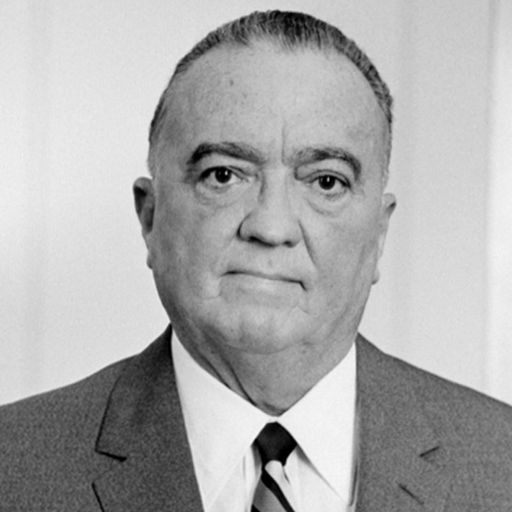


Takeaways from Trump's State of the Union address to Congress
Takeaways from Trump’s State of the Union address to Congress
U.S. President Donald Trump delivers the State of the Union address in the House Chamber of the U.S. Capitol in Washington, D.C., U.S., February 24, 2026. REUTERS/NATHAN HOWARD · Reuters
By Trevor Hunnicutt and Gram Slattery
Wed, February 25, 2026 at 12:01 p.m. GMT+9 2 min read
By Trevor Hunnicutt and Gram Slattery
WASHINGTON, Feb 24 (Reuters) - President Donald Trump delivered his State of the Union address to a joint session of Congress on Tuesday, a potentially pivotal moment as the White House seeks to firm up support among Republican voters ahead of November’s midterm elections.
Trump’s speech comes against a backdrop of rising tensions with Iran and voter frustration with the high cost of living.
RISKY BUSINESS
Trump put dollars and cents at the heart of his speech, but he stuck to a risky message on the economy that some strategists have warned could lose his Republican Party the congressional elections in November, when all 435 seats in the House and about a third of the Senate are in play. Democrats hope to take control from Republicans who have a majority in both chambers.
In Trump’s telling, inflation, mortgage rates and gas prices are falling, while the stock market, oil production and foreign direct investment are booming along with construction and factory jobs. But he stopped short of acknowledging the pain that Americans still feel from rising prices, as he has in most of his recent speeches on the subject.
The data shows inflation stalled and even ticked up last year, and the economy lost factory jobs last year.
Voters tell pollsters they are anxious about the economy and are dissatisfied with Trump’s handling of the issue. Fifty-six percent disapprove of his handling of the economy, Reuters/Ipsos polling shows, while 36% approve.
That’s a reality strategists say Trump needs to reckon with if he’s going to be Republicans’ chief messenger on the economy as they fight to keep control of Congress in November’s midterm elections.
(Reporting by Trevor Hunnicutt and Gram Slattery, editing by Ross Colvin and Deepa Babington)
Terms and Privacy Policy
Privacy Dashboard