 :
:











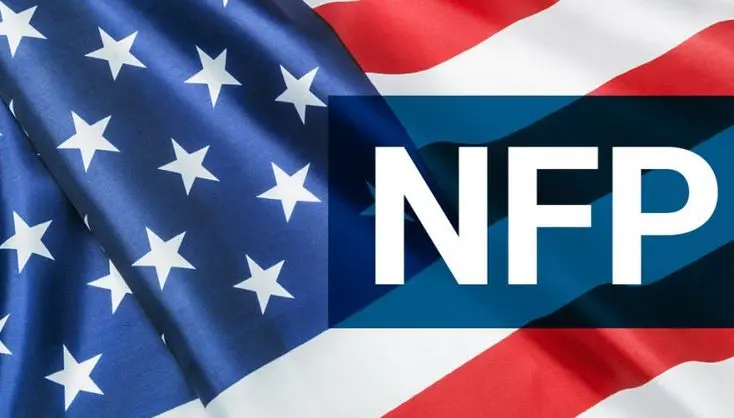
💥One of the most critical indicators of the US economy, nonfarm payrolls data, came as a major surprise with the February 2026 report released on March 6, 2026. According to data published by the US Bureau of Labor Statistics (BLS), total nonfarm employment decreased by 92,000 people in February. Economists had expected an increase of approximately 50-60,000 people. This unexpected decline, combined with the rise in the unemployment rate from 4.3% to 4.4%, strengthened signals of a cooling in the American labor market and resonated across a wide spectrum, from Wall Street to the Fed.
💥This decline is not just a one-month data point; it also represents a continuation of the weak trend that has been ongoing since the last quarter of 2025. The January 2026 data was revised downwards from 130,000 to 126,000, while the increase in December 2025 was also pulled into negative territory. Thus, the end of 2025 paints a much more fragile picture than previously thought. The healthcare sector, which has long been a driving force behind job growth, suffered a net loss in February due to strike activities. The nurses' strike in California, in particular, directly impacted employment in the sector. Construction and transportation/storage sectors were also hit by harsh winter weather conditions. Information technology and the federal government were already on a downward trend.
⏬Markets reacted immediately to this data. On Friday, the day the report was released, the Dow Jones index lost between 1.2% and 1.9%, while the S&P 500 and Nasdaq experienced similar losses. Bond yields initially fell but later recovered; the dollar showed mixed performance. Investors are concerned that this weak employment picture will fuel recession fears.
☝️Especially with the tensions in the Middle East stemming from Iran, and oil prices exceeding $91, stagflation scenarios have been brought back to the forefront. On the one hand, unemployment is rising, and on the other hand, energy costs are increasing; This dilemma is putting the Fed in a difficult position.
🔎From an analytical perspective, the February report seriously undermines hopes for a "soft landing." The labor market, which has been sustained by the health and social welfare sectors throughout 2025, is now showing broad-based weakness. Although average hourly earnings increased by 0.4% monthly to $37.32, this increase, while consistent with the inflation target, is outweighed by the psychological impact of job losses. Uncertainty regarding the Fed's interest rate policy has deepened: On the one hand, weak employment data fuels expectations of an early rate cut, while on the other hand, the oil shock could reignite inflation. Analysts state that the Fed will maintain its "data-dependent" stance, but this report increases the likelihood of a possible rate cut in June 2026.
Globally, the impact was felt immediately. European and Asian stock markets also opened negatively, while emerging markets were under pressure due to the strengthening dollar. For energy-importing countries like Turkey, the rise in oil prices poses additional risks in terms of both inflation and current account deficit. Investors will now be closely watching the March and April reports; while a single bad month may not necessarily mean a trend reversal, consecutive revisions and sector-specific losses are sounding the alarm. As a result, this data, circulating under the hashtag ✍️#FebNonfarmPayrollsUnexpectedlyFall, has put the first quarter of 2026 in a "wait and see" mode. While the US economy still has a strong foundation, this unexpected drop in employment sends a clear message to policymakers and investors: the labor market is cooling, and this cooling could reshape both domestic and global economic balances. The next report will show whether this decline is a temporary weather event and strike effect, or the beginning of a deeper slowdown. For now, uncertainty remains the biggest enemy of the markets.
💥This decline is not just a one-month data point; it also represents a continuation of the weak trend that has been ongoing since the last quarter of 2025. The January 2026 data was revised downwards from 130,000 to 126,000, while the increase in December 2025 was also pulled into negative territory. Thus, the end of 2025 paints a much more fragile picture than previously thought. The healthcare sector, which has long been a driving force behind job growth, suffered a net loss in February due to strike activities. The nurses' strike in California, in particular, directly impacted employment in the sector. Construction and transportation/storage sectors were also hit by harsh winter weather conditions. Information technology and the federal government were already on a downward trend.
⏬Markets reacted immediately to this data. On Friday, the day the report was released, the Dow Jones index lost between 1.2% and 1.9%, while the S&P 500 and Nasdaq experienced similar losses. Bond yields initially fell but later recovered; the dollar showed mixed performance. Investors are concerned that this weak employment picture will fuel recession fears.
☝️Especially with the tensions in the Middle East stemming from Iran, and oil prices exceeding $91, stagflation scenarios have been brought back to the forefront. On the one hand, unemployment is rising, and on the other hand, energy costs are increasing; This dilemma is putting the Fed in a difficult position.
🔎From an analytical perspective, the February report seriously undermines hopes for a "soft landing." The labor market, which has been sustained by the health and social welfare sectors throughout 2025, is now showing broad-based weakness. Although average hourly earnings increased by 0.4% monthly to $37.32, this increase, while consistent with the inflation target, is outweighed by the psychological impact of job losses. Uncertainty regarding the Fed's interest rate policy has deepened: On the one hand, weak employment data fuels expectations of an early rate cut, while on the other hand, the oil shock could reignite inflation. Analysts state that the Fed will maintain its "data-dependent" stance, but this report increases the likelihood of a possible rate cut in June 2026.
Globally, the impact was felt immediately. European and Asian stock markets also opened negatively, while emerging markets were under pressure due to the strengthening dollar. For energy-importing countries like Turkey, the rise in oil prices poses additional risks in terms of both inflation and current account deficit. Investors will now be closely watching the March and April reports; while a single bad month may not necessarily mean a trend reversal, consecutive revisions and sector-specific losses are sounding the alarm. As a result, this data, circulating under the hashtag ✍️#FebNonfarmPayrollsUnexpectedlyFall, has put the first quarter of 2026 in a "wait and see" mode. While the US economy still has a strong foundation, this unexpected drop in employment sends a clear message to policymakers and investors: the labor market is cooling, and this cooling could reshape both domestic and global economic balances. The next report will show whether this decline is a temporary weather event and strike effect, or the beginning of a deeper slowdown. For now, uncertainty remains the biggest enemy of the markets.