

Trade
Basic
Futures
Futures
Hundreds of contracts settled in USDT or BTC
TradFi
Gold
Trade global traditional assets with USDT in one place
Options
Hot
Trade European-style vanilla options
Unified Account
Maximize your capital efficiency
Demo Trading
Futures Kickoff
Get prepared for your futures trading
Futures Events
Participate in events to win generous rewards
Demo Trading
Use virtual funds to experience risk-free trading
Earn
Launch
CandyDrop
Collect candies to earn airdrops
Launchpool
Quick staking, earn potential new tokens
HODLer Airdrop
Hold GT and get massive airdrops for free
Launchpad
Be early to the next big token project
Alpha Points
Trade on-chain assets and enjoy airdrop rewards!
Futures Points
Earn futures points and claim airdrop rewards
Investment
Simple Earn
Earn interests with idle tokens
Auto-Invest
Auto-invest on a regular basis
Dual Investment
Buy low and sell high to take profits from price fluctuations
Soft Staking
Earn rewards with flexible staking
Crypto Loan
0 Fees
Pledge one crypto to borrow another
Lending Center
One-stop lending hub
VIP Wealth Hub
Customized wealth management empowers your assets growth
Private Wealth Management
Customized asset management to grow your digital assets
Quant Fund
Top asset management team helps you profit without hassle
Staking
Stake cryptos to earn in PoS products
Smart Leverage
New
No forced liquidation before maturity, worry-free leveraged gains
GUSD Minting
Use USDT/USDC to mint GUSD for treasury-level yields

More




Middle East Geopolitical Shock: Bitcoin Once Again Shows Volatility, Is the "Golden Pit" Coming?
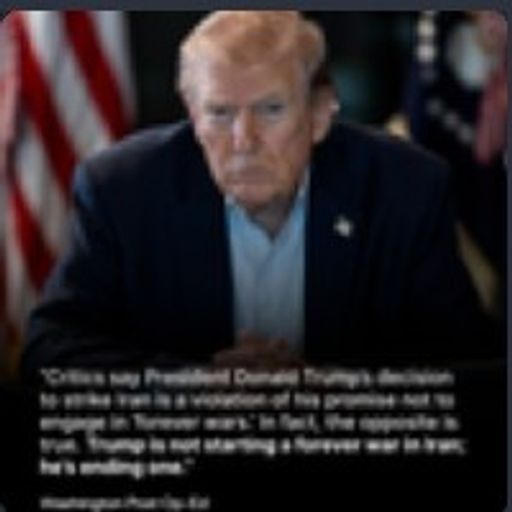
The smoke over the Strait of Hormuz has once again become the "opening bell" for the crypto market. When missiles cut through the Middle Eastern skyline, Bitcoin first experienced a sharp dip, then a V-shaped rebound to recover lost ground—this resilience, almost immune to "warfire," causes countless investors to oscillate between fear and greed: is this deep V a window for escape, or the true "golden pit"?
1️⃣ Is this time's action a warning shot or the start of a full-scale war?
From capital flow perspectives, the market clearly prices it as a "limited conflict." US stock futures fluctuate slightly, oil prices spike then retreat, and gold remains steady at $2900—typical "drop the shoe" trading. If the conflict escalates into full-scale war, oil and the dollar will be the first to react, but no such signals have appeared yet. The consensus among major players is clear: geopolitical risks are becoming normalized, accelerating the redefinition of "safe-haven assets." Bitcoin's resilience in this round has led more macro funds to include it in their "chaos hedge" basket.
2️⃣ What indicators should we focus on next?
① Real-time oil tanker tracking data for the Strait of Hormuz—oil prices breaking $100 is a red line for escalating conflict;
② US dollar index and Treasury yields—if safe-haven funds flood into the dollar, emerging markets (including crypto) will be under pressure;
③ Coinbase premium index—whether US institutional funds are bottom-fishing during a crash, a positive premium indicates genuine market entry;
④ Total supply of stablecoins—Circle just minted $1 billion USDC; if on-chain funds continue to expand, it signals that the "bottom-fishing reserve" is gathering.
3️⃣ In extreme market conditions, bottom-fishing or holding cash?
The answer lies in position management. Never try to precisely bottom-fish; instead, use "dollar-cost averaging" to cope with uncertainty. Bitcoin is still struggling within the $68,000 bear market structure, but the fear index at 10, massive stablecoin reserves waiting, and the pension fund bill passing—these triple signals of sentiment bottom + capital bottom + policy bottom—are precisely the essential elements of the "golden pit."
Extreme market conditions do not punish prepared investors, only those swept away by emotion. The flames of war will produce the final panic sell-off, but also ignite a new cycle start. #US-IranSituationImpact