

Trade
Basic
Futures
Futures
Hundreds of contracts settled in USDT or BTC
TradFi
Gold
Trade global traditional assets with USDT in one place
Options
Hot
Trade European-style vanilla options
Unified Account
Maximize your capital efficiency
Demo Trading
Futures Kickoff
Get prepared for your futures trading
Futures Events
Participate in events to win generous rewards
Demo Trading
Use virtual funds to experience risk-free trading
Earn
Launch
CandyDrop
Collect candies to earn airdrops
Launchpool
Quick staking, earn potential new tokens
HODLer Airdrop
Hold GT and get massive airdrops for free
Launchpad
Be early to the next big token project
Alpha Points
Trade on-chain assets and enjoy airdrop rewards!
Futures Points
Earn futures points and claim airdrop rewards
Investment
Simple Earn
Earn interests with idle tokens
Auto-Invest
Auto-invest on a regular basis
Dual Investment
Buy low and sell high to take profits from price fluctuations
Soft Staking
Earn rewards with flexible staking
Crypto Loan
0 Fees
Pledge one crypto to borrow another
Lending Center
One-stop lending hub
VIP Wealth Hub
Customized wealth management empowers your assets growth
Private Wealth Management
Customized asset management to grow your digital assets
Quant Fund
Top asset management team helps you profit without hassle
Staking
Stake cryptos to earn in PoS products
Smart Leverage
New
No forced liquidation before maturity, worry-free leveraged gains
GUSD Minting
Use USDT/USDC to mint GUSD for treasury-level yields

More




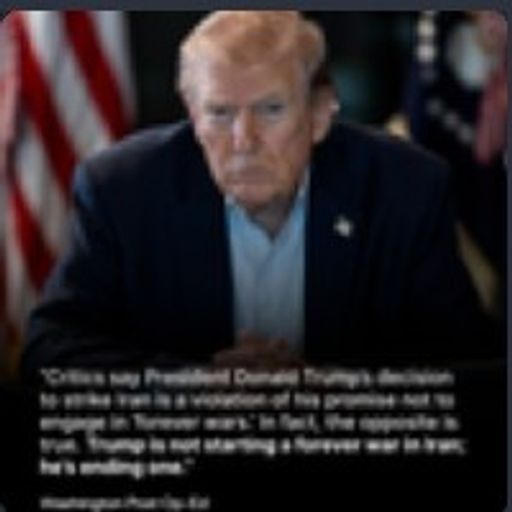
Middle East conflict escalation drives continued rise in oil prices
Investing.com - On Wednesday during Asian trading hours, oil prices continued to rise after two consecutive days of sharp gains, as conflicts between the U.S., Israel, and Iran intensified, raising concerns over supply disruptions.
As of 10:25 PM Eastern Time (3:25 AM Beijing Time), May-dated Brent crude futures increased by 1% to $82.21 per barrel, while West Texas Intermediate (WTI) crude futures rose by 0.7% to $75.07 per barrel.
Both major benchmarks closed nearly 5% higher on Tuesday. Brent crude surged above $85 per barrel, reaching its highest level since July 2024.
Get analyst insights on the commodities market with InvestingPro
Middle East conflict escalates, traders weigh supply risks
The current crisis began last weekend when U.S. and Israeli forces launched coordinated strikes against Iranian military targets, resulting in the death of Supreme Leader Ayatollah Ali Khamenei.
The situation worsened as Israel and U.S. forces carried out further strikes on Iranian-related facilities on Tuesday. Iran has increased military deployments in the Gulf region and issued warnings to global shipping operators.
Tehran has also targeted oil tankers passing through the Strait of Hormuz, a narrow waterway that carries about one-fifth of global oil transportation. Iranian authorities have vowed to attack any ships passing through the strait.
The Strait of Hormuz is a critical route for oil exports from major producers like Saudi Arabia, Iraq, and the UAE, and threats to this passage add significant geopolitical risk premiums to oil prices.
ING analysts stated in a report: “Disruptions to oil flows through the Strait of Hormuz have begun to impact upstream oil production.”
They noted reports that Iraq has started shutting down production at its largest Rumaila oil field and the West Qurna-2 oil field, totaling a capacity of 1.2 million barrels per day.
Trump to facilitate passage of oil tankers through the Strait of Hormuz
However, during the previous trading day, U.S. President Donald Trump stated that if necessary, the U.S. Navy would escort commercial ships and pledged government support to ensure safe passage. Following this, oil prices retreated some of their earlier gains.
ING analysts wrote: “This guarantee has emerged as insurance companies have canceled war risk coverage for ships passing through the Strait of Hormuz.”
They added: “It’s good news, but obviously not an overnight fix.”
While military escalation has supported oil prices, signs of international efforts to secure the waterway may limit further upside in the short term.
This article was translated with the assistance of artificial intelligence. For more information, please see our Terms of Use.