

Trade
Basic
Futures
Futures
Hundreds of contracts settled in USDT or BTC
TradFi
Gold
Trade global traditional assets with USDT in one place
Options
Hot
Trade European-style vanilla options
Unified Account
Maximize your capital efficiency
Demo Trading
Futures Kickoff
Get prepared for your futures trading
Futures Events
Participate in events to win generous rewards
Demo Trading
Use virtual funds to experience risk-free trading
Earn
Launch
CandyDrop
Collect candies to earn airdrops
Launchpool
Quick staking, earn potential new tokens
HODLer Airdrop
Hold GT and get massive airdrops for free
Launchpad
Be early to the next big token project
Alpha Points
Trade on-chain assets and enjoy airdrop rewards!
Futures Points
Earn futures points and claim airdrop rewards
Investment
Simple Earn
Earn interests with idle tokens
Auto-Invest
Auto-invest on a regular basis
Dual Investment
Buy low and sell high to take profits from price fluctuations
Soft Staking
Earn rewards with flexible staking
Crypto Loan
0 Fees
Pledge one crypto to borrow another
Lending Center
One-stop lending hub
VIP Wealth Hub
Customized wealth management empowers your assets growth
Private Wealth Management
Customized asset management to grow your digital assets
Quant Fund
Top asset management team helps you profit without hassle
Staking
Stake cryptos to earn in PoS products
Smart Leverage
New
No forced liquidation before maturity, worry-free leveraged gains
GUSD Minting
Use USDT/USDC to mint GUSD for treasury-level yields

More




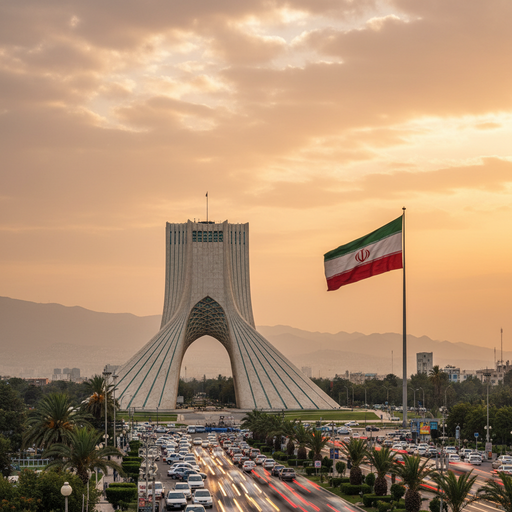


Opinion: The Iran conflict this time has a detrimental impact on oil prices but is not an upheaval, and is unlikely to trigger an oil crisis.
ChainCatcher News, Bloomberg Energy and Commodities Columnist Javier Blas wrote that Iran’s attack has a severe impact on oil prices but is not an shock.
Blas’s article points out that the market’s biggest concern is whether both sides will target energy infrastructure and the forced closure of oil tanker routes. Neither has happened yet. Currently, there are no such incidents. Despite fears that Iran might set fire to Middle Eastern energy facilities, targeting oil fields, refineries, and export terminals, Tehran has not yet turned oil into a weapon. Israel and the U.S. have also not targeted Iran’s oil infrastructure.
Analysis suggests that oil prices will surge, but even the most bullish traders are talking about prices possibly reaching $100 per barrel, well below the $139 per barrel seen after the Russia-Ukraine conflict in 2022 and the record $147.50 per barrel in 2008. From a broad perspective, this Middle Eastern conflict is unlikely to trigger an oil shock.
Additionally, although physical markets have remained weak, financial oil markets have been bullish, with traders rushing to buy oil in anticipation of rising prices. A year ago, the 12-day war between Israel, the U.S., and Iran caught many traders off guard, triggering a wave of buying that sent crude prices soaring. This time, the number of bullish positions is among the highest in the past decade. Therefore, oil traders are better prepared to absorb this crisis.