

Trade
Basic
Futures
Futures
Hundreds of contracts settled in USDT or BTC
TradFi
Gold
Trade global traditional assets with USDT in one place
Options
Hot
Trade European-style vanilla options
Unified Account
Maximize your capital efficiency
Demo Trading
Futures Kickoff
Get prepared for your futures trading
Futures Events
Participate in events to win generous rewards
Demo Trading
Use virtual funds to experience risk-free trading
Earn
Launch
CandyDrop
Collect candies to earn airdrops
Launchpool
Quick staking, earn potential new tokens
HODLer Airdrop
Hold GT and get massive airdrops for free
Launchpad
Be early to the next big token project
Alpha Points
Trade on-chain assets and enjoy airdrop rewards!
Futures Points
Earn futures points and claim airdrop rewards
Investment
Simple Earn
Earn interests with idle tokens
Auto-Invest
Auto-invest on a regular basis
Dual Investment
Buy low and sell high to take profits from price fluctuations
Soft Staking
Earn rewards with flexible staking
Crypto Loan
0 Fees
Pledge one crypto to borrow another
Lending Center
One-stop lending hub
VIP Wealth Hub
Customized wealth management empowers your assets growth
Private Wealth Management
Customized asset management to grow your digital assets
Quant Fund
Top asset management team helps you profit without hassle
Staking
Stake cryptos to earn in PoS products
Smart Leverage
New
No forced liquidation before maturity, worry-free leveraged gains
GUSD Minting
Use USDT/USDC to mint GUSD for treasury-level yields

More






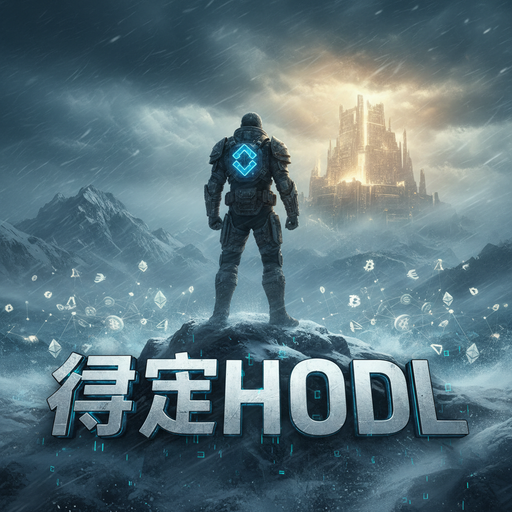
Understanding HODL: The Crypto Investment Strategy Explained
When you dive into cryptocurrency conversations, you’ll encounter colorful terminology: “FUD,” “diamond hands,” “go to the moon.” Among all the crypto slang floating around, one term stands out for its staying power and cultural significance—HODL. This isn’t just internet humor; it represents a genuine, time-tested approach to managing digital assets that has captivated both beginners and seasoned investors since its emergence in the early days of Bitcoin.
The beauty of HODL lies in its simplicity: buy cryptocurrency and keep it, betting on long-term appreciation. Yet beneath this straightforward concept lies a fascinating history, a thriving community culture, and important considerations about risk and patience. Whether you’re curious about this strategy or contemplating it for your own portfolio, understanding HODL provides insight into one of crypto’s most enduring philosophies.
The Origins of HODL: From Typo to Investment Philosophy
The word “HODL” has an unusual genesis. In late 2013, when Bitcoin’s price was experiencing significant downward pressure, a Bitcointalk forum user named GameKyuubi posted a now-legendary message titled “I AM HODLING”—but the title contained a spelling error. What was intended as “holding” became “hodling,” and this simple keystroke mistake would reshape crypto culture.
GameKyuubi’s post wasn’t lengthy or technically sophisticated. Instead, it conveyed raw conviction: as Bitcoin’s value declined, amateur investors should resist the temptation to panic-sell or engage in frantic day trading. They should simply hold their positions and trust in Bitcoin’s future potential.
At that moment, Bitcoin was trading around $522 per coin. The post struck a resonant chord across the emerging crypto community. Social media amplified the message, memes proliferated, and the phrase took on new meaning—it became an acronym for “Hold On for Dear Life.” This rebranding transformed a typo into an ethos.
What began as one person’s defiant message during a market downturn evolved into a movement. Today, HODL extends far beyond Bitcoin. Shiba Inu supporters call themselves the “SHIB Army,” Chainlink believers are “marines,” and virtually every significant digital asset has its own HODL community. These groups bond over shared commitment, celebrating the philosophy that long-term conviction outweighs short-term panic.
How the HODL Strategy Works in Practice
At its core, HODLing means acquiring cryptocurrency with the belief that its value will appreciate over a multi-year horizon, then resisting the urge to sell during price fluctuations. It’s not passive in the sense of being thoughtless—rather, it’s active patience. Participants research their chosen assets, make deliberate purchases, and then commit to holding through inevitable market storms.
Consider Bitcoin’s trajectory: the $522 price point GameKyuubi referenced in 2013 climbed to regularly exceed $20,000 throughout 2022. An investor who purchased Bitcoin then and held through the subsequent decade of volatility, corrections, and speculation would have achieved extraordinary returns. This outcome illustrates HODL’s fundamental appeal.
The strategy doesn’t require sophisticated timing abilities or constant market monitoring. Novice investors often lack the experience and tools that professional traders deploy to capitalize on minute price movements. HODL circumvents this problem by eliminating the need for precise entry and exit timing. Instead, participants accept moderate entry prices in exchange for long-term ownership.
Storage decisions matter significantly for serious HODLers. Some maintain their assets on centralized cryptocurrency exchanges, trading convenience for platform security. Others transfer holdings to “cold storage” devices—hardware wallets that function like sophisticated USB drives, storing private keys completely offline. This self-custodial approach eliminates the counterparty risk of exchange platforms. While less convenient (retrieving funds requires physical device access), cold storage provides robust protection against hacks and theft—a reasonable trade-off when holding assets for years.
Why HODL Matters to the Crypto Community
HODL transcends a mere investment technique; it functions as a cultural force within blockchain ecosystems. The phenomenon creates unity among participants who might otherwise feel isolated navigating volatile markets. HODL communities generate humor through memes and shared jokes, providing psychological relief during price crashes. This camaraderie—the collective experience of weathering market downturns while maintaining conviction—builds social bonds that strengthen crypto communities.
Projects and companies recognize this phenomenon’s power. References to HODL appear in marketing materials, community events, and public communications. Even skeptical observers acknowledge that HODL culture has helped sustain blockchain ecosystems through extended bear markets, when pessimism might otherwise have scattered participants.
The philosophy also democratizes investing. While institutional traders employ algorithms and maintain expensive research infrastructure, HODL offers individual investors a legitimate, understandable strategy requiring only conviction and patience. This accessibility partly explains why HODL achieved such widespread adoption across the crypto landscape.
The Real Trade-offs: When HODL Works and When It Doesn’t
HODL demands psychological fortitude that casual investors often underestimate. Cryptocurrencies represent among the most volatile asset classes in existence. Price swings of 20%, 30%, or 50% in single months occur regularly. Holding through these fluctuations requires genuine belief in long-term appreciation—not just intellectual understanding, but emotional resilience.
This reality creates the central tension. HODL works brilliantly for investors with genuine conviction about their chosen assets and comfort tolerating extreme price volatility. For others—those easily persuaded by negative sentiment or uncomfortable watching values plummet—HODL may prove psychologically untenable. Better to acknowledge personal risk tolerance than to attempt a strategy inconsistent with one’s temperament.
Additionally, not every cryptocurrency justifies long-term holding. Some projects lack fundamental viability, face technical challenges, or encounter regulatory obstacles. HODL philosophy assumes your selected assets possess genuine potential for adoption or value appreciation. Applying this strategy indiscriminately—holding every token you encounter—transforms reasoned investment into reckless speculation.
The strategy also limits active portfolio optimization. Investors committed to HODL cannot easily rebalance holdings, pivot toward emerging opportunities, or adjust exposure based on changing circumstances. This inflexibility constitutes a genuine disadvantage in rapidly evolving markets where technology and competitive dynamics shift frequently.
Your HODL Questions Answered: Storage, Staking, and Timing
How long should you HODL before reconsidering? There’s no universal timeline. Most participants maintain positions for several years minimum. Some Bitcoin believers hold indefinitely, envisioning a future where cryptocurrency functions as mainstream currency. Others establish target timelines aligned with personal financial goals. The distinction matters: purposeful HODLing reflects deliberate strategy, while indefinite holding sometimes masks indecision.
Must you use hardware wallets for serious HODL positions? Security benefits are substantial, but hardware wallets introduce additional risks—device loss, forgotten passwords, or operational errors during withdrawal processes. Exchange storage carries counterparty risk but provides convenience and recovery options. Your choice depends on holdings size, personal technical comfort, and institutional trust level. Many casual HODLers use exchange storage perfectly adequately.
Can you generate returns while HODLing through staking? Modern blockchains like Ethereum, Solana, and Polygon employ Proof-of-Stake consensus mechanisms allowing coin-holders to participate in network validation and earn percentage-based rewards. Staking while HODLing can amplify returns substantially—potentially 8-12% annually depending on specific networks. However, staking introduces complications: withdrawal delays, slashing risks (losing coins if validators misbehave), and technical vulnerabilities. Staking makes sense if you’re confident in long-term value appreciation; earning 10% annually while your asset declines 25% provides no real benefit.
How does HODL differ from dollar-cost averaging? These strategies frequently overlap but aren’t identical. Dollar-cost averaging involves regular small purchases over extended periods—buying weekly, or purchasing whenever prices drop by specific percentages. This approach gradually reduces average entry prices. Many HODLers employ DCA, but some make concentrated purchases early and maintain positions unchanged. DCA represents a purchasing discipline, while HODL represents a holding philosophy.
The HODL Decision: Is It Right for You?
HODL resonates powerfully among participants with long-term blockchain conviction who can psychologically tolerate volatility. It offers simplicity, accessibility, and historical precedent suggesting meaningful rewards for patient capital. Simultaneously, it demands genuine belief in your chosen assets and emotional discipline during inevitable downturns.
If you possess optimistic perspectives on cryptocurrency’s future, maintain patience during bear markets, and avoid obsessive price-checking, HODL may align with your investment personality. Conversely, if you prefer active portfolio management, enjoy tactical adjustments, or become anxious during price volatility, alternative strategies may suit you better.
Ultimately, HODL represents neither universally superior strategy nor guaranteed path to wealth. It’s a coherent approach to crypto investing—one that has yielded remarkable returns for early participants and continues attracting committed believers across blockchain communities.