

Trade
Basic
Futures
Futures
Hundreds of contracts settled in USDT or BTC
TradFi
Gold
Trade global traditional assets with USDT in one place
Options
Hot
Trade European-style vanilla options
Unified Account
Maximize your capital efficiency
Demo Trading
Futures Kickoff
Get prepared for your futures trading
Futures Events
Participate in events to win generous rewards
Demo Trading
Use virtual funds to experience risk-free trading
Earn
Launch
CandyDrop
Collect candies to earn airdrops
Launchpool
Quick staking, earn potential new tokens
HODLer Airdrop
Hold GT and get massive airdrops for free
Launchpad
Be early to the next big token project
Alpha Points
Trade on-chain assets and enjoy airdrop rewards!
Futures Points
Earn futures points and claim airdrop rewards
Investment
Simple Earn
Earn interests with idle tokens
Auto-Invest
Auto-invest on a regular basis
Dual Investment
Buy low and sell high to take profits from price fluctuations
Soft Staking
Earn rewards with flexible staking
Crypto Loan
0 Fees
Pledge one crypto to borrow another
Lending Center
One-stop lending hub
VIP Wealth Hub
Customized wealth management empowers your assets growth
Private Wealth Management
Customized asset management to grow your digital assets
Quant Fund
Top asset management team helps you profit without hassle
Staking
Stake cryptos to earn in PoS products
Smart Leverage
New
No forced liquidation before maturity, worry-free leveraged gains
GUSD Minting
Use USDT/USDC to mint GUSD for treasury-level yields

More


Trending Topics
View More77.98K Popularity
5.59K Popularity
1.66K Popularity
2.46K Popularity
6.92K Popularity



Pin
Gate Square | 2/5 Today's Hot Topic: #BuyTheDipOrWaitNow?
🎁 [Community Perk] Post with the topic or #BTC, 10 lucky users * $100 position Voucher.
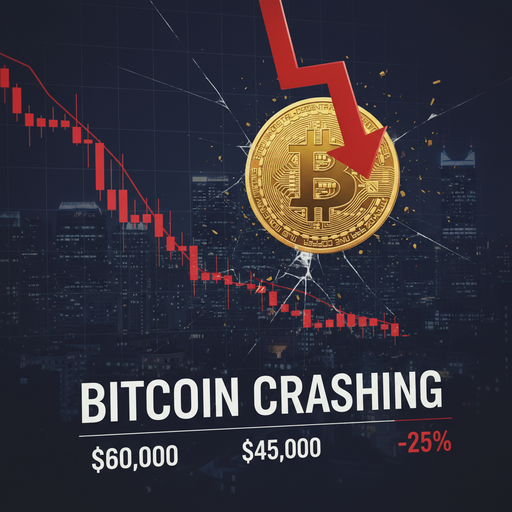
Market volatility continues as BTC breaks below the $74,000 key support level, with altcoins pulling back in sync. Are you buying the dip in batches or waiting for a better entry point?
💬 Today’s Discussion:
1️⃣ Bottom Signals: Where do you see BTC’s bottom — $70,000 or lower?
2️⃣ Market Drivers: Which recent macroeconomic news or rumors are influencing the market?
3️⃣ Dark Horses: Are there any resilient or outperforming tokens worth watching?
ShTap to Trade in Gate Square, Win up to 50 GT & Merch!
Click the trading widget in Gate Square content, complete a transaction, and take home 50 GT, Position Experience Vouchers, or exclusive Spring Festival merchandise.
Click the registration link to join
https://www.gate.com/questionnaire/7401
Enter Gate Square daily and click any trading pair or trading card within the content to complete a transaction. The top 10 users by trading volume will win GT, Gate merchandise boxes, position experience vouchers, and more.
The top prize: 50 GT.
. Interest rate decisions don’t just affect the U.S. economy—they set the tone for global liquidity, risk appetite, and capital flows worldwide.
At the heart of this anticipation is a simple but powerful question: Will the Fed cut, hold, or hike rates? After a long period of aggressive tightening to fight inflation, recent economic data has shown mixed signals. Inflation has cooled compared to its peak, but remains sticky in certain sectors, while employment numbers continue to show resilience. This puts the Fed in a difficult position—cut too early and risk reigniting inflation, wait too long and risk slowing economic growth.
For traditional markets, a rate cut would generally be seen as bullish. Lower interest rates reduce borrowing costs, encourage business expansion, and often push investors toward risk assets like stocks. On the other hand, a hawkish stance or rate hold with strong tightening language could pressure equities, strengthen the U.S. dollar, and keep bond yields elevated.
In the crypto market, the Fed’s decision carries even more weight. Bitcoin and altcoins have historically shown strong reactions to shifts in monetary policy. Loose financial conditions and expectations of rate cuts tend to support crypto rallies, as investors search for higher returns outside traditional fixed-income instruments. Conversely, higher-for-longer rates often lead to reduced liquidity, making speculative assets more volatile.
Bitcoin, often viewed as a hedge against fiat debasement and long-term inflation, sits at an interesting crossroads. A dovish Fed could reinforce the narrative of Bitcoin as “digital gold,” especially if real yields start falling. However, if the Fed remains hawkish, short-term price pressure could emerge as traders de-risk and move capital into safer yield-bearing assets.
Another key factor to watch is Fed Chair Jerome Powell’s press conference. Markets often react more to Powell’s tone and forward guidance than to the rate decision itself. Words like “data-dependent,” “higher for longer,” or “progress on inflation” can move markets sharply within minutes. Even subtle changes in language can signal upcoming policy shifts.
Globally, emerging markets, including Asia and developing economies, are also sensitive to the Fed’s stance. A strong dollar driven by high U.S. rates can put pressure on local currencies and capital flows, while a softer dollar following dovish signals can provide relief and boost risk sentiment worldwide.
In summary, as the Fed rate decision approaches, volatility is almost guaranteed. Traders and investors should remain cautious, manage risk carefully, and avoid emotional decision-making. Whether the Fed chooses to pause, cut, or stay hawkish, the ripple effects will be felt across all major asset classes. In times like these, discipline, patience, and a clear strategy matter more than eve