

Trade
Basic
Futures
Futures
Hundreds of contracts settled in USDT or BTC
TradFi
Gold
Trade global traditional assets with USDT in one place
Options
Hot
Trade European-style vanilla options
Unified Account
Maximize your capital efficiency
Demo Trading
Futures Kickoff
Get prepared for your futures trading
Futures Events
Participate in events to win generous rewards
Demo Trading
Use virtual funds to experience risk-free trading
Earn
Launch
CandyDrop
Collect candies to earn airdrops
Launchpool
Quick staking, earn potential new tokens
HODLer Airdrop
Hold GT and get massive airdrops for free
Launchpad
Be early to the next big token project
Alpha Points
Trade on-chain assets and enjoy airdrop rewards!
Futures Points
Earn futures points and claim airdrop rewards
Investment
Simple Earn
Earn interests with idle tokens
Auto-Invest
Auto-invest on a regular basis
Dual Investment
Buy low and sell high to take profits from price fluctuations
Soft Staking
Earn rewards with flexible staking
Crypto Loan
0 Fees
Pledge one crypto to borrow another
Lending Center
One-stop lending hub
VIP Wealth Hub
Customized wealth management empowers your assets growth
Private Wealth Management
Customized asset management to grow your digital assets
Quant Fund
Top asset management team helps you profit without hassle
Staking
Stake cryptos to earn in PoS products
Smart Leverage
New
No forced liquidation before maturity, worry-free leveraged gains
GUSD Minting
Use USDT/USDC to mint GUSD for treasury-level yields

More


Trending Topics
View More78.18K Popularity
5.59K Popularity
1.66K Popularity
2.53K Popularity
6.92K Popularity



Pin
Gate Square | 2/5 Today's Hot Topic: #BuyTheDipOrWaitNow?
🎁 [Community Perk] Post with the topic or #BTC, 10 lucky users * $100 position Voucher.
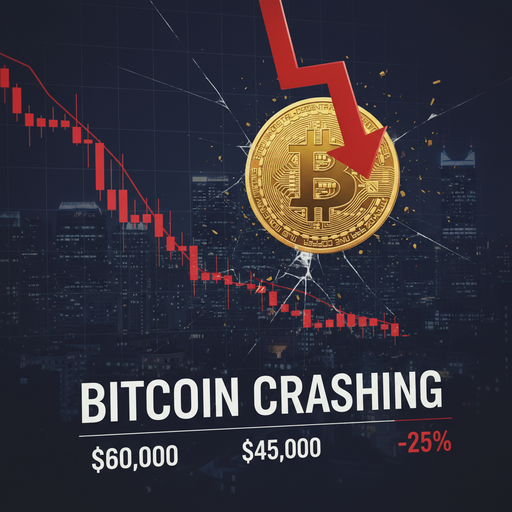
Market volatility continues as BTC breaks below the $74,000 key support level, with altcoins pulling back in sync. Are you buying the dip in batches or waiting for a better entry point?
💬 Today’s Discussion:
1️⃣ Bottom Signals: Where do you see BTC’s bottom — $70,000 or lower?
2️⃣ Market Drivers: Which recent macroeconomic news or rumors are influencing the market?
3️⃣ Dark Horses: Are there any resilient or outperforming tokens worth watching?
ShTap to Trade in Gate Square, Win up to 50 GT & Merch!
Click the trading widget in Gate Square content, complete a transaction, and take home 50 GT, Position Experience Vouchers, or exclusive Spring Festival merchandise.
Click the registration link to join
https://www.gate.com/questionnaire/7401
Enter Gate Square daily and click any trading pair or trading card within the content to complete a transaction. The top 10 users by trading volume will win GT, Gate merchandise boxes, position experience vouchers, and more.
The top prize: 50 GT.
 was introduced in May 2025 and passed the U.S. House of Representatives later that summer with bipartisan support. Its core purpose was to eliminate long‑standing “gray areas” in crypto regulation by clearly defining the legal status of digital assets, establishing which federal agencies oversee which activities, and setting consistent rules for exchanges, intermediaries, and stablecoin issuers.
Under the bill, assets meeting certain criteria could be regulated as digital commodities under the Commodity Futures Trading Commission (CFTC), while other digital asset activities would fall under the Securities and Exchange Commission (SEC). In doing so, the bill aimed to clarify jurisdictional confusion that has hindered institutional participation and consumer protections.
New Developments and Industry Reaction
Since the delay, tension between lawmakers, traditional banks, and crypto industry leaders has only intensified. The American Bankers Association and other traditional financial interests have pushed for restrictions on stablecoin yields—arguing that unchecked rewards could undermine deposit bases at community banks—while tech-native firms see these same yield mechanisms as essential for crypto innovation.
Crypto market reaction to the regulatory standstill has been mixed. Top digital assets like Bitcoin and Ethereum dipped slightly following the postponement but have shown resilience, suggesting that traders may have already priced in ongoing uncertainty. At the same time, major crypto stocks, including Coinbase itself, experienced short-term pressure as the debate underscored how fragile regulatory momentum remains.
In response to the backlash, Senate Democrats and committee leaders have scheduled additional discussions with crypto industry representatives to address core concerns—especially around decentralized finance protocols, tokenized equities, and consumer protections—before reconvening for a revised markup session.
What This Delay Means for the Market and Investors
The CLARITY Act’s postponement creates both short‑ and long‑term implications for the U.S. digital asset ecosystem:
Regulatory Uncertainty Continues: Without federal clarity, major companies may delay investment, expansion, or product launches in the U.S., potentially slowing institutional adoption.
Price Volatility: Crypto markets often react to regulatory ambiguity. Even minor news—whether progress or setback—can trigger sharp moves in asset prices as traders adjust risk.
Global Competition: Other jurisdictions with clearer, more innovation-friendly frameworks may attract capital and talent away from the U.S., potentially diminishing America’s influence over global standards.
Strategic Takeaways
For investors and market participants, the current climate calls for caution and active monitoring. High-risk positions, particularly in smaller tokens and DeFi protocols that would be most affected by regulatory shifts, may warrant reevaluation until there’s greater clarity. At the same time, tracking political developments, committee negotiations, and public statements from both lawmakers and industry lobbies will be critical in anticipating the next phases of reform.
While the CLARITY Act remains alive on Capitol Hill, the path forward is far from assured. The current delay, rather than a derailment, could provide lawmakers and stakeholders with valuable time to refine language and build broader support. Still, the hashtag #CLARITYBillDelayed underscores just how contentious and difficult the process of crafting a legal framework for digital assets has become. With negotiations ongoing, the timeline for final passage—and the implications for global crypto leadership—will continue to unfold throughout 2026.