The Future of Blockchain Infrastructure: Exploring Layer 0 Solutions

What Is Layer-0? Redefining Blockchains with Mainchains and Sidechains
Layer-0 crypto serves as the core protocol underlying many of today’s cryptocurrencies and tokens. This innovative foundational layer re-engineers decentralized network architecture, providing the infrastructure needed to build scalable, interconnected blockchain ecosystems.
A Blockchain Refresher
Blockchains are public digital ledgers of transactions, distributed and secured by cryptography. The technology is structured into five primary layers, each responsible for distinct functions that keep the system running efficiently.
The main components of a blockchain include the hardware infrastructure layer, data layer, network layer, consensus layer, and application layer. The hardware infrastructure layer supplies the physical resources that power the network. The data layer manages cryptographically secure storage of transaction records. The network layer handles communication between blockchain nodes. The consensus layer ensures all participants agree on the validity of transactions before confirmation. The application layer enables developers to create decentralized applications (DApps) that operate on the blockchain.
For blockchains to function properly, all five layers must work seamlessly together—each fulfilling its specific role, from recording transaction details to achieving consensus across the network.
Understanding Different Blockchain Protocols
The layer-0 crypto ecosystem includes several protocol types, each with a unique function. While layer-1 and layer-2 protocols are widely known, layer-0 is gaining traction for its emphasis on scalability and cross-chain interoperability.
Layer-1 Blockchain Protocols
Layer-1 protocols are the most familiar, featuring prominent blockchains like Bitcoin and Ethereum. These operate as independent networks that process transactions, leverage strong cryptography for security, and create new blocks.
As user activity grows, mainchains face congestion, resulting in slower transaction speeds and higher gas fees. For example, during periods of high demand, some networks can only process a limited number of transactions per second, falling short of users’ expectations.
Layer-2 Blockchain Protocols
Layer-2 solutions are built atop existing layer-1 chains and focus on scalability by alleviating the processing burden on layer-1 blockchains. If layer-1 is a congested highway, layer-2 adds new express lanes to ease traffic flow.
By processing transactions off-chain, layer-2 solutions eliminate bottlenecks on layer-1, delivering faster and more efficient blockchain experiences. Examples include a range of widely adopted scaling protocols.
Layer-0 Blockchain Protocols
Layer-0 crypto protocols establish the infrastructure on which entire layer-1 chains are constructed. They define the architectural framework and communication standards that allow independent blockchains to exchange data and interact seamlessly.
Layer-0 protocols address core layer-1 limitations, such as restricted interoperability and scalability, and eliminate rigidity created by monolithic network designs. Their modularity empowers developers to build custom, purpose-driven blockchains tailored to community needs.
How Does Layer-0 Work?
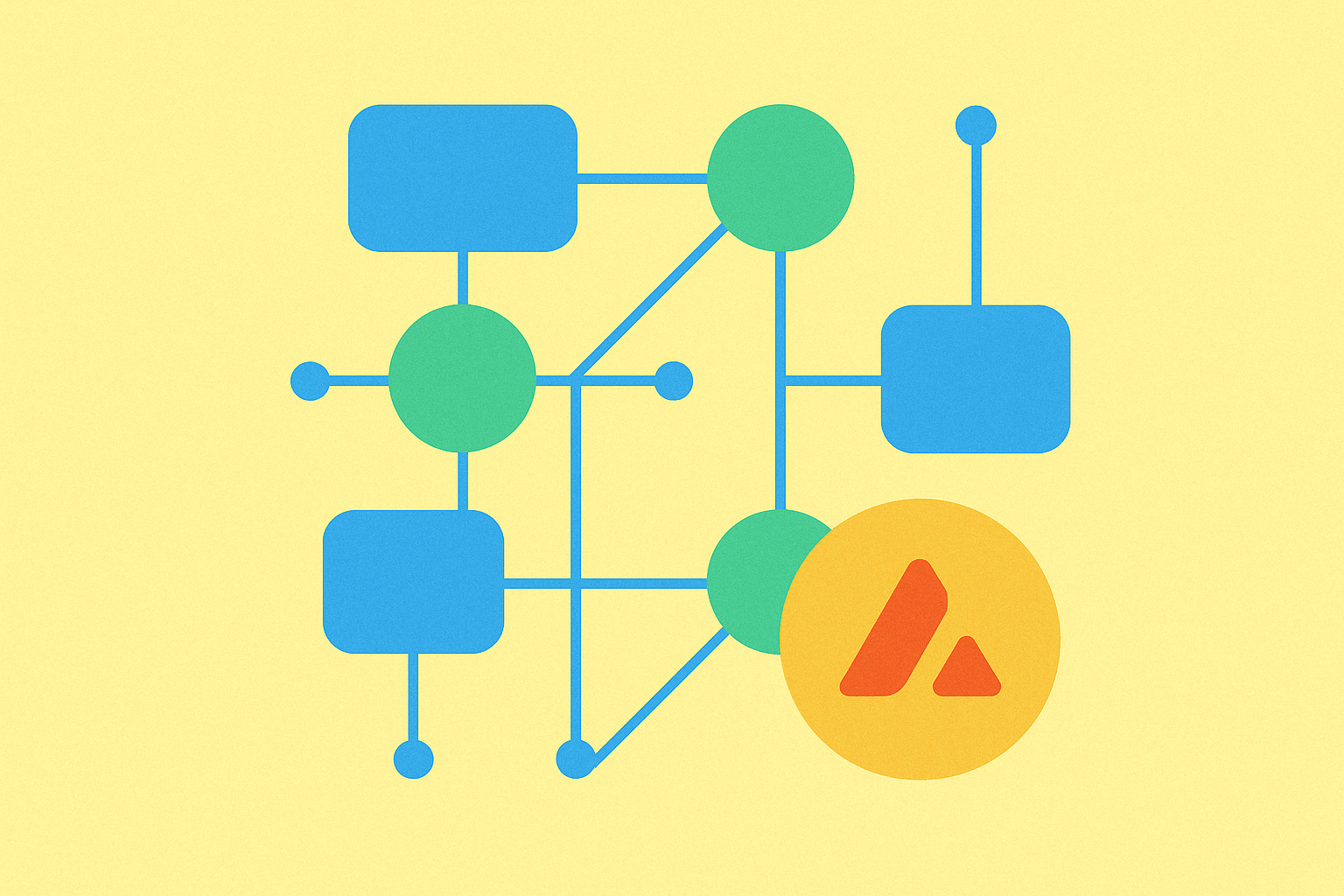
Layer-0 crypto protocols operate on a sidechain-based architecture with three essential components.
The first is the mainchain, which routes data between different layer-1 blockchains built atop layer-0. The second is sidechains—application-specific layer-1 blockchains connected to the mainchain. The third is the cross-chain communication protocol, which standardizes data exchange between layer-1 networks.
To illustrate, consider a leading layer-0 blockchain: these platforms feature a relay chain acting as the mainchain. Parachains are application-specific layer-1 sidechains operating on the relay chain. Message-passing protocols facilitate interaction and communication among consensus systems.
Benefits of a Layer-0 Blockchain Protocol
Layer-0 crypto protocols offer several compelling advantages for blockchain ecosystem development.
Scalability is a primary benefit. By distributing transactions across multiple layers, layer-0 boosts overall efficiency and enables higher throughput without sacrificing security—a critical advantage as demand for blockchain services surges.
Customization empowers developers to launch specialized layer-1 chains optimized for specific use cases, leveraging the interoperability of layer-0. This includes everything from GameFi-focused chains to blockchains designed for high-performance DApps.
Innovation thrives with layer-0’s modular architecture, which accelerates development and experimentation, enabling rapid deployment of new features. For example, some blockchains use dynamic sharding, adjusting shard count and size in real time based on network demand.
Layer-0 vs. Layer-1: How Different Are They?
Understanding the distinctions between layer-0 and layer-1 is crucial for grasping their roles within the blockchain ecosystem.
Similarities
At their core, both layer-0 and layer-1 are blockchain solutions designed to maximize the benefits of decentralization within the constraints of the blockchain trilemma.
Both layers ensure decentralization by distributing network operation and governance across numerous nodes, preventing any single entity from exerting control. Security is also a shared priority—each layer utilizes robust cryptographic methods to preserve blockchain and data integrity.
Scalability is a mutual objective. Both layers aim to maximize transaction throughput, data storage, and consensus efficiency, even as the user base expands. Transparency is inherent as well: anyone with access to a blockchain explorer can trace transactions and audit the network’s state.
Differences
Despite similar goals, layer-0 crypto and layer-1 differ significantly in their roles and functions.
Layer-0 acts as the foundational infrastructure for building blockchains, while layer-1 manages transaction processing and consensus directly. These roles are complementary: layer-0 enables interconnected blockchain networks, while layer-1 ensures the security and efficiency of individual chains.
These layers approach scalability differently. Layer-1 blockchains often encounter bottlenecks due to their unified architecture. Layer-0, by promoting interoperability among layer-1s, enables transactions to flow across multiple chains, raising ecosystem throughput without requiring sharding or sidechains.
Flexibility is another key distinction. Layer-1 blockchains are typically constrained by their consensus mechanisms and data structures. In contrast, layer-0 blockchains are highly flexible, supporting the creation of diverse layer-1 chains with varying features and capabilities that harness the adaptability of the underlying layer-0 protocol.
Examples of Popular Layer-0s
Several leading layer-0 crypto protocols stand out, each offering distinct features and advantages.
Avalanche, powered by AVAX, supports multiple layer-1 chains via its core P-Chain, X-Chain, and C-Chain. Each chain is designed for specific tasks, delivering optimal performance and serving diverse user needs—resulting in a resilient and versatile blockchain platform. High transaction speeds, low fees, strong security, and robust developer tools have made Avalanche a go-to for building decentralized projects.
Cosmos, driven by its ATOM token, is known as the “Internet of Blockchains.” Cosmos is a layer-0 protocol focused on developer-friendly modularity and flexibility. The Cosmos community’s vision is to make the mainchain a blueprint for building blockchains within its ecosystem. This interconnected design has enabled a wide range of popular layer-1 networks to flourish.
Polkadot, with its DOT token, is another prominent layer-0 protocol that connects independent blockchains through its Relay Chain. By leveraging the Relay Chain’s Nominated Proof-of-Stake consensus, Polkadot aims to provide a secure, scalable foundation for creating interoperable blockchain applications and services.
FAQ
Which cryptocurrencies are layer-0?
Layer-0 cryptocurrencies include Avalanche and Solana. Both offer scalable, interoperable blockchain infrastructure, supporting specialized networks and cross-chain communication.
What is layer-zero crypto?
Layer Zero is a blockchain protocol designed for secure cross-chain transactions, connecting over 70 blockchains to facilitate interoperability and communication. It enhances security through risk distribution and oracles.
Where can I buy layer-zero cryptocurrency?
You can purchase LayerZero on crypto trading platforms. Download the app, fund your account, and buy LayerZero directly through the platform.
Is Bitcoin a layer-0?
No, Bitcoin is not a layer-0 blockchain. It is a standalone layer-1 network that uses its own consensus mechanism and does not require a layer-0 foundation.
Share
Content
How to Buy Cryptocurrency


Trending Cryptocurrencies



XZXX: A Comprehensive Guide to the BRC-20 Meme Token in 2025

Bitcoin Fear and Greed Index: Market Sentiment Analysis for 2025
Top Crypto ETFs to Watch in 2025: Navigating the Digital Asset Boom

5 ways to get Bitcoin for free in 2025: Newbie Guide
Bitcoin Market Cap in 2025: Analysis and Trends for Investors

2025 Bitcoin Price Prediction: Trump's Tariffs' Impact on BTC

Enhancing Blockchain Scalability with Zero Knowledge Rollups

Discover Top Platforms for Free Bitcoin Rewards
Essential Guidelines for Successful Crypto Day Trading

Bored Ape Yacht Club NFT Market Value and Investment Strategy Guide
Understanding the Mechanisms of Ethereum Blockchain Technology