O que é um drawdown em criptomoedas?
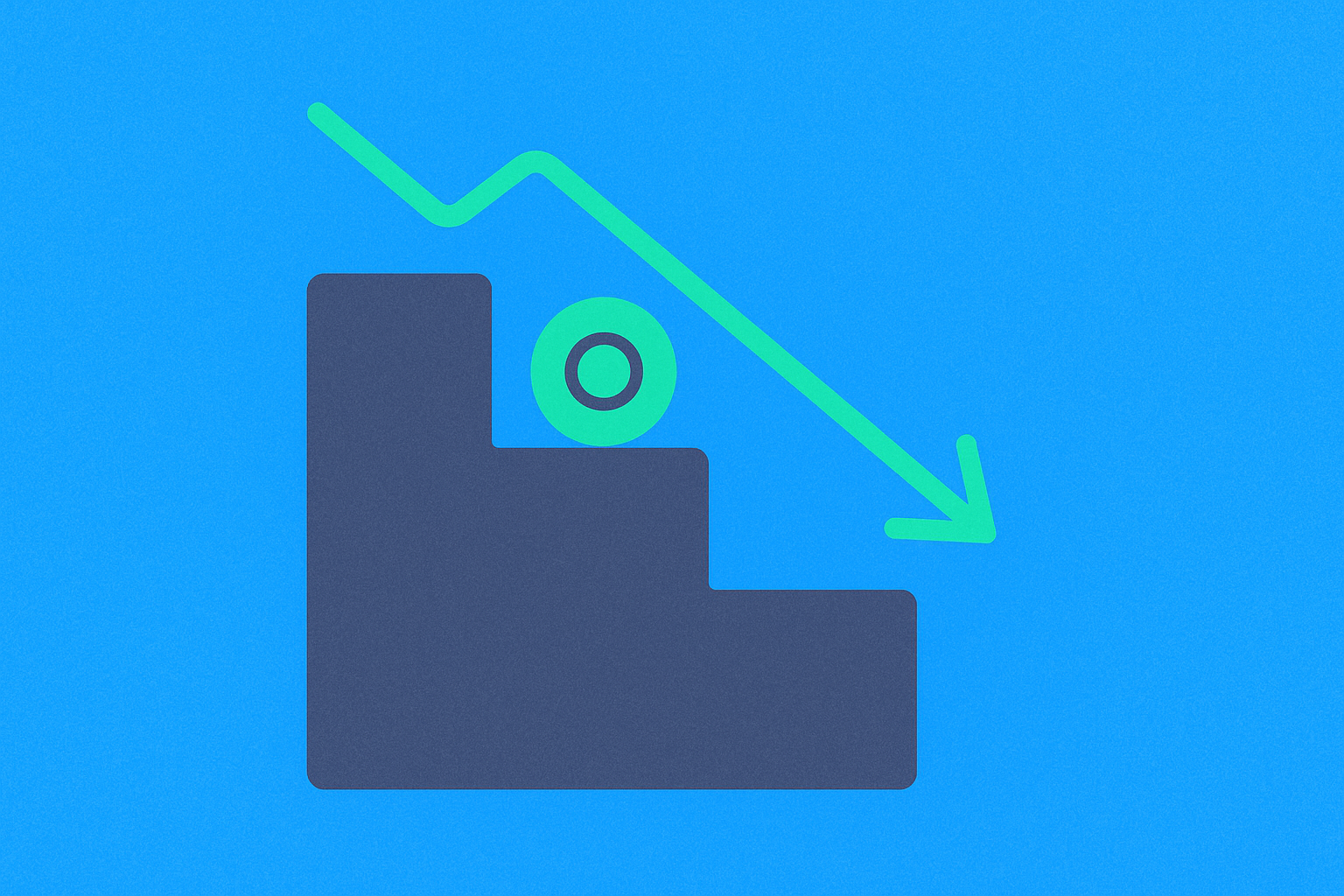
O drawdown em criptomoedas corresponde à percentagem de queda entre um máximo recente e o mínimo subsequente, sendo uma métrica do risco de perdas e da capacidade da carteira para absorver esses impactos.
Por exemplo, se o preço de uma moeda descer de 100 para 80, o drawdown será de 20 %. Este valor não só indica a perda registada, como também serve como indicador de stress para a sua conta em períodos adversos. Os drawdown das carteiras são analisados para aferir a robustez das estratégias de investimento.
Porque ocorrem drawdown em criptomoedas?
Os drawdown em criptomoedas resultam, habitualmente, da atividade de mercado e de fatores externos, como saídas de capital, notícias desfavoráveis, alterações regulatórias, incidentes de hacking e restrições de liquidez.
Volatilidade refere-se à rapidez e intensidade das oscilações de preço. Maior volatilidade origina drawdown de curto prazo mais frequentes. A liquidez representa a capacidade de comprar ou vender um ativo ao preço corrente; quando a liquidez é baixa, a pressão vendedora pode provocar descidas de preço mais abruptas. Além disso, liquidações em massa de posições alavancadas amplificam os drawdown e podem desencadear efeitos em cascata.
No último ano, os mercados cripto registaram frequentemente drawdown de dois dígitos, provocados por notícias relevantes ou por condições de financiamento restritivas. Estes padrões são visíveis tanto nos dados de negociação das bolsas como nas métricas on-chain durante períodos de elevada volatilidade.
Como calcular o drawdown em criptomoedas e quais são os principais indicadores?
A fórmula fundamental do drawdown em criptomoedas consiste na percentagem de perda do máximo ao mínimo. O drawdown máximo é a maior descida observada num determinado intervalo, sendo indicador do pior cenário de risco.
As abordagens mais comuns incluem:
- Utilizar janelas móveis para identificar máximos e mínimos locais, gerando uma curva de drawdown que ilustra a resiliência de um ativo ou estratégia em diferentes fases do mercado.
- Comparar drawdown com volatilidade: se o drawdown máximo for muito superior à volatilidade habitual, pode indicar exposição excessiva ao risco ou insuficiência de mecanismos de controlo.
Exemplo: Se uma estratégia atinge um valor líquido máximo de 1,0 e desce para 0,7, o drawdown máximo será de 30 %. Este indicador é fundamental para decidir a redução de exposição ou o reajuste de parâmetros.
Como são utilizados os drawdown em criptomoedas na negociação?
Os indicadores de drawdown ajudam os traders a definir tamanhos de posição, níveis de stop-loss e metas de lucro. Respondem à questão: “Quanto risco de perda estou disposto a assumir?”
No mercado spot, o drawdown pode orientar entradas faseadas ou a rotação para stablecoins (stablecoins são ativos cripto indexados a moedas fiduciárias, como USDT, utilizados para cobertura e referência de preços). Nos futuros, a análise de drawdown permite avaliar se a alavancagem é excessiva, já que esta amplifica tanto a volatilidade como os drawdown, influenciando a margem de manutenção e o risco de liquidação.
Exemplo: Se o drawdown típico de uma moeda varia entre 15 % e 25 %, mas a sua estratégia só tolera uma queda de 10 %, deve reduzir a posição ou aplicar stop-loss mais apertados e trailing stop orders (que ajustam automaticamente os níveis de proteção à medida que o preço sobe).
Como gerir o risco de drawdown na negociação de criptomoedas?
O princípio base consiste em antecipar os possíveis drawdown e utilizar ferramentas para limitar as perdas dentro de parâmetros definidos.
Passo 1: Defina a sua tolerância ao risco. Com base nos drawdown históricos e na volatilidade atual, estabeleça limites claros por operação e para a exposição total da conta—for exemplo, “nenhuma operação deve perder mais de 10 % e a perda total não deve ultrapassar 20 %.”
Passo 2: Defina stop-loss e trailing stops. Uma ordem stop-loss vende automaticamente ao atingir um valor pré-definido; o trailing stop ajusta-se dinamicamente à subida do preço, protegendo os lucros e limitando novos drawdown.
Passo 3: Dimensione prudentemente as posições e diversifique. Distribua o capital por ativos pouco correlacionados e mantenha uma reserva de stablecoins para evitar vendas forçadas em drawdown mais profundos.
Passo 4: Controle a alavancagem e a margem. A alavancagem aumenta a exposição com fundos emprestados, mas amplifica os drawdown. Prefira alavancagem baixa e margem isolada para conter o risco em cada posição, evitando que uma operação prejudique toda a conta.
Passo 5: Defina alertas e reveja o desempenho. Alertas de preço permitem resposta rápida a drawdown súbitos; analisar a curva de drawdown ajuda a perceber se a estratégia carece de ajustes.
Em que diferem os drawdown em cripto dos drawdown nos mercados de ações?
Ambos medem quedas do máximo ao mínimo, mas os drawdown em criptomoedas são mais frequentes, mais acentuados e influenciados por liquidez e liquidações por alavancagem.
Os mercados de ações tradicionais têm horários de negociação e mecanismos de market making, com circuit breakers e intervenções regulatórias que limitam a volatilidade extrema. Os mercados cripto funcionam 24/7 sem limites diários de variação. Como tal, choques de notícias ou eventos on-chain podem acelerar rapidamente os drawdown em cripto. A gestão de posições exige stop-loss mais conservadores e trailing stops mais flexíveis do que nos mercados de ações.
A Gate disponibiliza várias funcionalidades para auxiliar na gestão dos drawdown e reforçar a disciplina de execução:
- Alertas de preço: Defina alertas para níveis críticos e reaja rapidamente a drawdown súbitos.
- Ordens spot stop-loss & condicionais: Utilize ordens stop-limit ou de venda ao mercado para evitar decisões emocionais.
- Trailing stops: Ajuste automaticamente os níveis de proteção à medida que os preços sobem, convertendo ganhos em lucros garantidos.
- Grid trading: Automatize compras em mínimos e vendas em máximos dentro de intervalos definidos—adequado para mercados voláteis—mas defina sempre regras de saída por drawdown máximo.
- Margem isolada & alavancagem baixa em futuros: Mantenha o risco contido por posição com margem isolada; combine com alavancagem baixa e preços de liquidação estimados para mitigar riscos em cascata derivados de drawdown.
Exemplo: Pode configurar preços de trigger e taxas de callback para trailing stops na Gate, permitindo que as posições sejam automaticamente reduzidas em caso de correção acentuada—preservando lucros em reversões súbitas.
Equívocos e riscos comuns sobre drawdown em criptomoedas
Os erros mais frequentes são assumir que um drawdown antecipa sempre uma recuperação, subestimar riscos futuros com base em drawdown passados moderados ou recorrer a alavancagem excessiva na esperança de uma recuperação rápida.
Os riscos incluem drawdown superiores ao previsto devido a eventos noticiosos ou cascatas de liquidação que prolongam e agravam as perdas. Alavancagem elevada com margem insuficiente pode transformar drawdown normais em liquidações forçadas. Mesmo com estratégias de grid ou investimento periódico, defina sempre “condições de falha”—por exemplo, pausar ou sair de posições se as perdas excederem o drawdown máximo tolerado.
Nota de segurança: Qualquer operação com alavancagem ou derivados implica risco de perda total da margem. Utilize estas ferramentas dentro dos seus limites de risco, aplique stop-loss de proteção e mantenha-se informado através dos avisos de risco da plataforma.
Como deve analisar tendências e ciclos de longo prazo em drawdown cripto?
Os drawdown em criptomoedas estão ligados aos ciclos de mercado, condições de liquidez e alterações de políticas. Em fases de euforia, são comuns drawdown acentuados de “boom-and-bust”; em períodos de acalmia, podem ocorrer drawdown prolongados e laterais.
Estratégicamente, analise os drawdown máximos históricos, padrões de volatilidade atuais e mudanças de liquidez para ajustar posições e stop-loss de forma dinâmica. Considere o drawdown como “termómetro de risco”: reduza exposição à medida que aumenta; reabra gradualmente quando as condições melhorarem. A longo prazo, sobreviver com execução disciplinada é mais importante do que perseguir recuperações pontuais.
FAQ
Deve manter ou sair de posições durante um drawdown?
Depende da sua estratégia de investimento e tolerância ao risco. Se acredita no potencial de longo prazo e tem capital suficiente para suportar a volatilidade, pode optar por manter. Se está próximo do nível de stop-loss ou enfrenta restrições de capital, considere sair parcialmente para limitar perdas. O essencial é ter um plano de negociação definido—evite decisões precipitadas. Na Gate, pode definir ordens de stop-loss para execução automática e evitar reações emocionais.
Como distinguir se um drawdown é uma correção normal ou indica reversão de tendência?
Uma correção normal ocorre geralmente numa tendência ascendente—tipicamente entre 10 % e 20 %—e é seguida por novas subidas. Uma reversão pode ser sinalizada por redução do volume de negociação ou ruturas técnicas. Observe se o mínimo mantém níveis-chave de suporte e se o volume continua a cair. O ideal é usar vários indicadores (como médias móveis ou MACD) para confirmação, em vez de depender de um único sinal.
Que erros psicológicos cometem os iniciantes durante drawdown?
Os erros mais comuns são vender em pânico após comprar em máximos ou fazer média para baixo durante perdas. Outros perseguem recuperações por receio de perder oportunidades (FOMO), aumentando custos e risco. O método correto é negociar com disciplina—defina níveis de take-profit e stop-loss antecipadamente; depois de configurar as ferramentas de gestão de risco na Gate, evite sobre-negociar. Lembre-se: a execução consistente de um plano supera sempre decisões impulsivas.
Como podem contas pequenas sobreviver e crescer durante drawdown?
A gestão de risco é ainda mais determinante para contas pequenas—limite o risco por operação a 1 %–2 % do saldo total. Durante drawdown, privilegie moedas mais estáveis ou utilize estratégias de grid trading na Gate para automatizar a média de custos. Considere também investimentos regulares e incrementais em projetos de qualidade—ao longo do tempo, esta abordagem ajuda a suavizar a volatilidade.